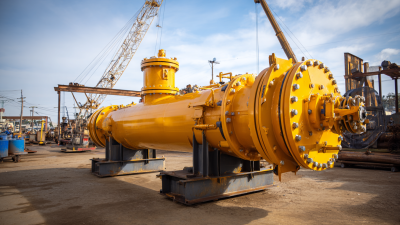
When it comes to tackling the big challenge of sustainable water management, the Reinjected Water Cyclone Desander has really started to stand out as a game-changer. With water scarcity and management issues becoming more pressing worldwide, industries are increasingly looking for smart solutions that do more than just filter the water—they want to reclaim and reuse resources wherever they can. Dr. James Anderson, who’s pretty well-versed in water tech, mentions, “The Reinjected Water Cyclone Desander is a major step forward in helping us manage our water resources more efficiently, all while keeping environmental impact to a minimum.”
Reinjecting cleaned water back into the system doesn’t just cut down waste; it actually supports sustainability efforts. One of the coolest things about this tech is how effectively it removes sediment and tiny particles—this means better water quality and less downtime for industries. As more companies push for eco-friendly practices, tools like the Desander are leading the charge, offering a solid, reliable way to handle and recycle water responsibly.
Looking at the top 10 benefits of this technology really drives home the point: it’s not just about fixing immediate operation issues. It’s also about aligning with bigger environmental goals, ultimately paving the way for a more sustainable future in water management. Honestly, it’s exciting to see such practical innovations making a real difference.

Benefits of Reinjected Water Cyclone Desanders in Water Recycling Systems
Reinjected water cyclone desanders play a crucial role in modern water recycling systems, significantly enhancing water management efficiency. By effectively removing solids and impurities from wastewater, these systems contribute to a cleaner and more sustainable water supply. Their design allows for high separation efficiency, ensuring that reclaimed water meets quality standards necessary for various applications, ranging from irrigation to industrial processes.
One of the primary advantages of using reinjecting water cyclone desanders is their capacity to operate with minimal maintenance. This not only reduces downtime but also lowers operational costs in the long run. Additionally, their energy-efficient design supports sustainable practices, allowing facilities to make the most of their water resources without excessive energy consumption. Implementing these systems can lead to significant improvements in water purity and availability, ultimately fostering a more responsible approach to water usage.
Tips: To maximize the benefits of reinjected water cyclone desanders, regular monitoring and maintenance checks should be performed to ensure optimal performance. Furthermore, training staff on the system's operation can enhance efficiency and reduce the risk of operational issues, paving the way for a more effective water recycling process.
Understanding the Science Behind Reinjected Water Cyclone Desander Technology
Reinjected water cyclone desander technology operates on the principles of centrifugal force and sedimentation, specifically designed to enhance water management processes. By utilizing the rotational motion generated within a cyclone chamber, this technology effectively separates solid particles from liquids. As water enters the cyclone under pressure, it is forced to spin rapidly, causing denser particles, such as sand and silt, to migrate outward and settle at the bottom. This separation is crucial for maintaining water quality and preventing pipeline erosion, ensuring more efficient water treatment systems.
The science behind this technology lies in its ability to combine high efficiency with minimal energy consumption. The design of the cyclone allows for the effective capture of a wide range of particle sizes, making it versatile for various applications, including industrial and agricultural water management. As particulate matter is removed, the reinjected water can be reused for irrigation or other processes, significantly reducing waste and promoting sustainable practices. The efficiency and reliability of the cyclone desander not only lead to cost savings but also contribute to broader environmental benefits by conserving water resources and minimizing the need for chemical treatments.
Efficiency Metrics: How Desanders Reduce Water Consumption and Waste
Efficient water management is becoming increasingly critical as industries strive to minimize their environmental footprint. Reinjected water cyclone desanders play a vital role in reducing water consumption and waste, with effectiveness metrics showcasing their benefits. According to the Water Research Foundation, proper sediment management can lead to a 20-30% decrease in water usage in various industrial processes. By harnessing the cyclone desanding technology, facilities can effectively separate sand and particulate matter from water, resulting in cleaner water for reuse and reduced operational costs.
In terms of waste reduction, reports indicate that integrating cyclone desanders into water systems can decrease wastewater volumes by as much as 40%. The desanding process helps to prevent clogging in pipelines, which not only saves water but also extends the lifespan of the entire water management system. A study by the American Society of Civil Engineers highlights that minimizing sediment build-up contributes to significant savings, averaging around $150,000 per facility annually through reduced maintenance and treatment costs. By adopting cyclone desanding technology, industries are thus able to achieve a dual advantage: improving water quality for reuse while also minimizing waste generation.
Cost Savings Analysis: Long-term Financial Benefits of Cyclone Desanders
The use of reinjected water cyclone desanders offers significant long-term financial benefits that play a crucial role in efficient water management. By effectively separating sediment and particulates from water, these systems enhance the quality of the water being reused. This not only reduces the costs associated with water treatment but also minimizes the need for fresh water extraction, leading to considerable savings in operational expenses. Organizations can allocate these funds toward other critical areas, thereby improving overall financial health.
In addition to the direct cost savings from reduced treatment needs, cyclone desanders can lead to extended lifespans for equipment and infrastructure throughout various industries. By maintaining cleaner water systems, these devices help to prevent the wear and tear caused by sediment buildup, which can result in costly repairs and replacement. Over time, the cumulative effect of these savings can be substantial, making the investment in cyclone desanders not just a wise environmental choice but a financially prudent one as well. As companies become increasingly aware of the importance of efficient water management, the adoption of these technologies will likely surge, driven by their affordability and long-term value.
Impact on Water Quality: Reinforced Filtration and Resulting Purity Levels
The implementation of reinjected water cyclone desanders plays a pivotal role in enhancing water quality through reinforced filtration techniques. These systems utilize centrifugal forces to effectively separate particulates and sediments from water, achieving high levels of purification. According to a 2021 study published by the Water Environment Federation, cyclone desanding methods can remove up to 90% of suspended solids, significantly improving the clarity and quality of water intended for reuse or discharge.
Moreover, the impact of such filtration systems extends beyond sediment removal. A comprehensive report from the International Water Association highlights that employing advanced cyclone desanding technologies can lead to reductions in chemical dosing requirements for water treatment by as much as 30%. This not only minimizes operational costs but also reduces the overall environmental footprint of water management practices. As the demand for cleaner water sources intensifies globally, the ability of reinjected water cyclone desanders to facilitate superior quality and sustainability cannot be overstated, making them an essential asset for modern water management strategies.
Top 10 Benefits of Reinjected Water Cyclone Desander for Efficient Water Management - Impact on Water Quality: Reinforced Filtration and Resulting Purity Levels
| Benefit |
Description |
Impact on Water Quality |
| Enhanced Filtration |
Improves the removal of particulates and solids from water. |
Leads to clearer and cleaner water. |
| Cost Efficiency |
Reduces costs associated with water treatment processes. |
Ensures sustainable financial management in water resources. |
| Sustainability |
Promotes the reuse of water for various applications. |
Minimizes waste and maximizes resource availability. |
| Reduction of Chemical Usage |
Decreases the need for chemicals in the water treatment process. |
Promotes healthier water ecosystems. |
| Increased Process Efficiency |
Optimizes water treatment and purification timelines. |
Results in quicker access to treated water. |
| Improved Flow Rate |
Maintains high water flow rates during processing. |
Ensures continuous availability of clean water. |
| Longer Equipment Life |
Reduces wear and tear on filtration equipment. |
Improves overall system reliability and reduces maintenance costs. |
| Better Water Quality Monitoring |
Facilitates improved testing and monitoring capabilities. |
Ensures compliance with water quality standards. |
| Versatility in Applications |
Applicable in various sectors such as agriculture, industry, and municipal water services. |
Broadens the potential for clean water use across different platforms. |
| Positive Environmental Impact |
Supports eco-friendly water management practices. |
Contributes to healthier ecosystems by minimizing pollution and waste. |
Regulatory Compliance: Meeting Environmental Standards with Desander Use
The use of water cyclone desanders plays a pivotal role in helping industries comply with stringent environmental regulations. As organizations strive to meet governmental standards for water quality, employing desanding technology ensures that sediment and particulates are effectively removed from water sources. This not only minimizes the environmental impact of industrial operations but also aligns with best practices for sustainable water management. By facilitating the removal of unwanted solids, water cyclone desanders contribute to cleaner discharge water, thereby reducing pollution and adhering to legal requirements designed to protect aquatic ecosystems.
Moreover, regulatory compliance is increasingly becoming a focal point for industries seeking to enhance their operational legitimacy. The implementation of desanding systems aids in monitoring and treating water before it is released back into the environment. Properly treated water helps organizations fulfill their obligations under environmental protection laws, fostering a culture of responsibility and efficiency. As a result, companies can not only avoid potential fines and sanctions but also enhance their reputation among stakeholders who prioritize environmental stewardship, demonstrating a commitment to sustainable practices in their daily operations.
Top 10 Benefits of Reinjected Water Cyclone Desander for Efficient Water Management
Case Studies: Successful Applications of Cyclone Desanders in Various Industries
In various industries, the implementation of cyclone desanders has proven to significantly enhance water management strategies. These devices efficiently separate solids from water through centrifugal force, allowing for cleaner water reuse and reduced waste in operations. For instance, in the mining sector, cyclone desanders have been effectively utilized to manage process water. By treating the water to remove sediment and other particulate matter, mining operations not only extend the life of their equipment but also ensure compliance with environmental regulations while conserving valuable freshwater resources.
Another compelling application of cyclone desanders is found in the oil and gas industry. Here, they play a vital role in the treatment of produced water, which often contains high levels of suspended solids. The successful implementation of cyclone desanders in this context significantly reduces the total suspended solids (TSS) content, thereby enhancing the overall efficiency of water recycling processes. By facilitating the separation of contaminants, these systems enable companies to reuse treated water in their operations, minimizing environmental impact and decreasing dependency on external water sources. Such case studies illustrate the versatility and effectiveness of cyclone desanders across different sectors, underscoring their importance in modern water management solutions.
FAQS
: Reinjected water cyclone desanders enhance water management efficiency by effectively removing solids and impurities from wastewater, contributing to a cleaner water supply.
Cyclone desanders operate with minimal maintenance, reducing downtime and lowering long-term operational costs, which contributes to financial efficiencies.
Their energy-efficient design allows facilities to optimize water resource usage without excessive energy consumption, promoting sustainable water management.
They provide long-term cost savings by reducing water treatment needs, minimizing fresh water extraction, and extending the lifespans of equipment due to cleaner water systems.
These systems help industries meet environmental standards by effectively removing sediment and particulates, thus minimizing pollution and fulfilling legal obligations.
Regular monitoring ensures optimal performance, enhances efficiency, and reduces the risk of operational issues to maximize the benefits of the water recycling process.
By enhancing separation efficiency, cyclone desanders ensure that reclaimed water meets necessary quality standards for various applications, including irrigation and industrial processes.
By aiding compliance with environmental protection laws and demonstrating commitment to sustainable practices, the use of cyclone desanders enhances a company's reputation among stakeholders.
By maintaining cleaner water systems and preventing sediment buildup, cyclone desanders help avoid wear and tear on equipment, leading to reduced repair and replacement costs.
Staff training enhances operational efficiency and reduces the likelihood of issues, leading to a more effective water recycling process.
Conclusion
The article "Top 10 Benefits of Reinjected Water Cyclone Desander for Efficient Water Management" explores the significant advantages of utilizing Reinjected Water Cyclone Desanders in water recycling systems. It highlights the technology's underlying principles that enhance water management efficiency by reducing consumption and waste. With a focus on cost savings, the article illustrates long-term financial benefits resulting from decreased operational costs and improved resource utilization. The impact on water quality is also emphasized, showcasing how these desanders contribute to reinforced filtration and higher purity levels.
Additionally, the article discusses regulatory compliance, demonstrating how Reinjected Water Cyclone Desanders align with environmental standards. Through various case studies, the successful applications of this technology across industries are detailed, reinforcing its role in sustainable water management practices. Overall, the article presents a comprehensive overview of the benefits and innovative solutions provided by Reinjected Water Cyclone Desanders in enhancing water efficiency and sustainability.