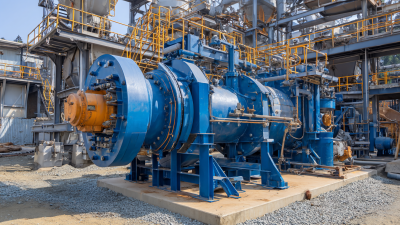
Dealing with sand in the produced condensate at gas fields is a really important issue that can't be ignored. If there's too much sand, it can cause some pretty serious operational headaches. In fact, reports show that more than 60% of gas production setups deal with desanding problems at some point. If you don’t manage this properly, it can lead to quicker wear and tear on the equipment, which nobody wants. That’s why it's crucial for operators to understand just how vital effective desanding methods are.
Recently, the Society of Petroleum Engineers released some interesting findings — they found that ignoring desanding efforts can bump up maintenance costs by as much as 30%. That really drives home the point that we need smarter strategies. There are a bunch of techniques out there, but not all of them work well everywhere. Each gas field has its own unique setup, which means the best approach can vary a lot. Using the wrong method can kill productivity and cause more downtime than you’d like.
Companies like Schlumberger and Halliburton are actively digging into what works best. Their research shows that tailoring solutions to each field’s specific challenges is the way to go. But even with all this tech, there's still room to get better. Adapting and refining these methods over time—ongoing evaluation and innovation—is key to staying ahead. The main goal? Improving how we handle desanding in these fields while cutting down on operational hiccups as much as possible.
Desanding produced condensate is a critical process in gas fields. This operation ensures that valuable hydrocarbons are free from solid particles. Solid contaminants can lead to equipment wear and reduced efficiency. They might cause operational issues that require costly interventions. Effective desanding improves the overall quality of the condensate.
There are various methods for desanding. Some technologies utilize gravity separation. Others rely on filtration systems to collect particles. However, each method has its benefits and drawbacks. Gravity separation, while simple, may not capture all solids effectively. Filtration can be more efficient but requires regular maintenance. Choosing the right approach often involves trial and error, reflecting specific field conditions.
Monitoring the desanding process is crucial. It helps in understanding if the chosen method works optimally. Adjustments may be necessary over time. Operators must remain vigilant about changes in condensate characteristics. This can lead to better resource management. Yet, some challenges need careful thought. The perfect desanding method is still a subject of exploration. Each field presents unique situations that require tailored solutions.
Desanding produced condensate is crucial in gas fields. When sand mixes with condensate, it can lead to severe production issues. Recent data shows that up to 15% of production downtime is caused by sand-related problems. This not only affects output but also increases operational costs significantly.
In gas production, effective desanding methods can enhance overall efficiency. Cyclonic separators and filtration systems are often employed to tackle sand challenges. However, the selection of methods varies based on the specific characteristics of the field. For instance, some fields may have a higher sand-to-condensate ratio, complicating the filtration process.
Despite these technologies, challenges remain. Many facilities still struggle to maintain optimal sand removal rates. Reports indicate that 20% of operators have not yet implemented effective desanding solutions. Regular maintenance and monitoring are often overlooked but are essential in ensuring system efficiency. Each gas field presents unique challenges, requiring tailored approaches for desanding operations.
In gas fields, sand contamination poses a significant challenge. Common sources include geological formations where sand and silt particles are present. During production, these particles can migrate into the condensate. It is estimated that over 20% of produced gas wells experience high sand influx. This can lead to equipment wear and increased operational costs.
Another common source is hydraulic fracturing. This process can dislodge sand from the formation, introducing it into the condensate stream. A report from the Society of Petroleum Engineers indicates that nearly 30% of wells subjected to fracking face severe sand issues. Operators often overlook the extent of sand contamination, leading to inefficient separation processes.
Furthermore, improper well completion can exacerbate sand influx. Inadequate barriers may allow sand to flow with the condensate. The impact on production efficiency can be dire, with some reports showing up to a 40% drop in output quality. Continuous monitoring and better design practices are needed, but issues persist in many fields. Decision-makers must address these challenges to minimize downtime and enhance recovery.
Desanding produced condensate effectively is crucial in gas fields. Mechanical methods stand out as reliable solutions. These methods involve using equipment such as screens, cyclones, and separators. According to a recent industry report, mechanical desanding can remove up to 98% of solid particulates. This efficiency is vital for maintaining production quality and equipment health.
Screen-based systems are among the most common. They operate by filtering out solids while allowing liquids to pass. However, they require regular maintenance. Clogged screens can reduce efficiency. Cyclones, on the other hand, use centrifugal force to separate particulates. They are less prone to clogging but can struggle with very fine particles. The choice depends on specific field conditions.
Despite advances in technology, challenges remain. Mechanical methods may not work effectively with varying flow rates. Additionally, the wear and tear of mechanical parts can lead to unexpected downtimes. Regular assessments of the equipment's performance are essential. Some operators still underestimate the importance of ongoing maintenance. A proactive approach can enhance reliability and efficiency, ensuring that desanding practices evolve with industry demands.
Chemical treatment options play a vital role in the desanding of produced condensate in gas fields. These methods aim to break down and remove sand particles effectively. Various chemicals can be injected into the condensate to address the sand issue. Surfactants are popular for their ability to reduce surface tension, helping to lift sand from the liquid.
Another approach involves the use of acids. These can dissolve certain types of minerals that lead to sand formation. The selection of the right chemical is critical. Sometimes, the wrong choice can create more problems than it solves. It’s essential to conduct a thorough analysis before implementing these treatments.
The effectiveness of chemical treatments can vary significantly based on the composition of the condensate. Not all chemicals work equally under different conditions. Understanding the specific environment is crucial. There are concerns regarding the potential environmental impact of these chemicals. This requires careful consideration. Balancing effectiveness and safety is an ongoing challenge in the field. Developing better chemical solutions remains a key focus.
Desanding produced condensate is crucial in gas fields. Filtration technologies can effectively manage this issue. Various methods are available, each with pros and cons. Choosing the right one depends on specific requirements.
Bag filters are commonly used. They capture larger particles effectively. However, they may struggle with smaller sand particles. Regular monitoring is essential to ensure optimal performance. Some operators overlook this, leading to inefficiencies. Cartridge filters offer a different approach. They can handle finer sediments. Still, they require more frequent replacements. It's a balance between cost and performance that some find challenging.
Membrane filtration technology is another choice. It can remove very fine particles. The advantage is in achieving high purity levels. Yet, the initial investment can be high. Maintenance is also critical. Failure to adhere to proper cleaning schedules may reduce efficiency significantly. Operators need to weigh these aspects while making decisions.
Monitoring and maintenance practices are crucial in desanding systems for produced condensate in gas fields. Regular inspections ensure all components function optimally. It's essential to visualize the desanding process. Sand particles can damage equipment, leading to costly repairs. A granular monitoring strategy helps track sediment levels effectively. Sensors installed in key areas can provide real-time data.
Another aspect is routine maintenance. Schedule periodic cleanings to prevent buildup. Workers should be trained to recognize warning signs, like unusual pressure drops. It’s also crucial to document all maintenance activities meticulously. This documentation may reveal patterns over time. Sometimes, data may be incomplete or inconsistent, leading to missed opportunities for improvement.
Having a contingency plan is vital. Equipment failures can occur unexpectedly. Being prepared minimizes downtime and maximizes production efficiency. Regularly revisiting maintenance schedules is necessary. Adaptability is key since conditions can change. Reflecting on past performance may uncover hidden areas for growth, leading to a more robust desanding system overall.
: You can find electronics, clothing, home goods, and toys. Each category has diverse options.
Read product descriptions carefully. Compare reviews from multiple users for insights.
Yes, items may not match expectations. Delivery delays can also occur.
Credit cards, debit cards, and digital wallets are common. Always ensure security when entering payment details.
Most sites provide tracking numbers after shipping. Check your email for updates on delivery status.
Contact customer service immediately. Keep all packaging for potential returns or exchanges.
Many sites allow returns, but policies vary. Read the return policy before purchasing.
Use secure connections and trusted websites. Look for 'https' in the URL.
Some sellers are open to negotiations. It never hurts to ask politely.
Standard shipping, express delivery, and pick-up points are typical. Consider the urgency when choosing.
Desanding of produced condensate in gas fields is a critical process that ensures efficient gas production operations. This article provides an overview of desanding practices, highlighting the importance of removing sand contaminants which can arise from various sources, including geological formations and wellbore erosion. Effective desanding not only maintains the integrity of production systems but also enhances the quality of the produced condensate.
Several methods are discussed for achieving effective desanding, ranging from mechanical techniques to chemical treatments and advanced filtration technologies. Each method offers its own advantages, depending on the specific conditions and contaminants present in the system. Furthermore, the article emphasizes the necessity of continuous monitoring and maintenance practices to optimize desanding systems, ensuring they function effectively over time and contribute to the overall success of gas production in these fields.