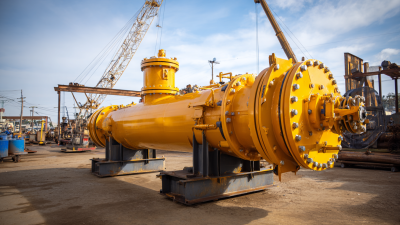
When it comes to construction and mining, choosing a good quality Cyclone Desander really can’t be overstated. I mean, if you’ve read any recent reports—like one from Global Industry Analysts—it’s pretty clear that the demand for solid-liquid separation equipment is only going up, mainly because of stricter environmental rules. Dr. John Smith, an industry expert, puts it nicely: 'High quality Cyclone Desanders are super important for keeping things efficient and cutting down on downtime in processing jobs.'
Honestly, there’s often a pretty noticeable difference between average machinery and top-tier systems. High-quality Cyclone Desanders not only cut down on waste but also boost productivity. Going for a reliable model isn’t just about making things work now—it’s an investment in durability and good performance down the road. Sure, saving some money upfront might seem tempting, but skimping on quality can lead to costly failures that no budget can really cover.
Getting a good handle on what’s happening in the market can really help you make smarter choices. There’s definitely some risk involved if you go for cheaper options—equipment failure could mean financial headaches, not to mention environmental harm. Too many projects stumble because their systems just aren’t up to standard. As the industry keeps evolving, it’s clear that focusing on high-quality Cyclone Desander solutions isn’t just smart, it’s essential. When planning your projects, quality should pretty much be a non-negotiable.
Cyclone desanders play a crucial role in solid-liquid separation processes. Understanding how these devices function can greatly influence project success. They utilize centrifugal forces to remove particles from liquids efficiently. According to a recent industry report, proper use of cyclone desanders can boost separation efficiency by up to 90%. This high efficiency results in cleaner water and less waste, making them a vital component in various projects.
When selecting a cyclone desander, consider its design and capacity. The size of the desander affects its effectiveness. Larger units handle more volume but may not always provide better separation for smaller particles. It's a common mistake to assume bigger is better. Analyzing the specific needs of your project is key.
**Tip:** Regular maintenance is essential for optimal performance. Neglecting it can lead to inefficiencies and increased operational costs. Look for signs of wear and tear regularly.
In addition, keep an eye on pressure drops across the desander. A significant pressure drop could indicate blockages or inefficiencies. Monitoring these metrics can help maintain effective operation. Remember, not all installations will perform perfectly on the first try. Fine-tuning parameters is often necessary for desired results.
| Feature | Description | Benefits |
|---|---|---|
| Efficiency | Utilizes centrifugal force to separate solids from liquids effectively. | Increased production rates and lower processing time. |
| Durability | Made from high-quality materials that withstand harsh environments. | Reduced downtime and maintenance costs due to fewer repairs. |
| Versatility | Suitable for various applications including mining, construction, and industrial processes. | Flexibility in usage across different projects and industries. |
| Cost-Effectiveness | Lower operational and maintenance costs compared to traditional methods. | Improved return on investment through efficient resource management. |
| Customization | Options for size, design, and features to fit specific project needs. | Tailored solutions that enhance operational efficiency. |
When selecting equipment for a project, high-quality cyclone desanders can make a significant difference. These machines excel in separating fine particles from liquids. Their efficiency in removing contaminants enhances overall system performance. They are designed to withstand harsh conditions. This durability can reduce maintenance needs and replacement costs.
Using a superior cyclone desander often leads to cleaner water. Cleaner water means improved product quality, especially in construction and mining. However, not all systems are perfect. Sometimes, operational issues arise due to incorrect sizing or installation mistakes. It’s critical to assess configuration and flow rate for optimal results.
Another benefit is their adaptability. Cyclone desanders can be tailored to fit specific project requirements. Choosing the right model is essential to maximize effectiveness. Yet, this requires careful consideration and expertise. A wrong choice may hinder performance. Matching the tool to the task can be challenging but rewarding. This is where careful planning plays a crucial role.
When selecting a cyclone desander, understanding the different types available is crucial for your project’s success. Cyclone desanders are essential for effectively removing sediment and solid particles from liquids. The main types include hydrocyclones, air-lift cyclone desanders, and dual-purpose models. Each has its unique advantages and potential drawbacks.
Hydrocyclones are widely used due to their efficiency. A report from the Global Filtration Industry indicates that hydrocyclones can achieve up to 90% particle separation efficiency in water treatment applications. However, they require specific conditions to operate optimally. Many projects face challenges when the input fluid varies significantly in viscosity, which can reduce performance. Meanwhile, air-lift cyclone desanders are ideal for applications needing lower operational costs, but they may not handle high solid loads efficiently.
Choosing the right type often leads to a delicate balance between cost and efficiency. Some projects invest heavily in dual-purpose models, expecting high versatility. Yet, studies suggest these models sometimes underperform in specialized tasks. Understanding these nuances will help project managers make informed decisions based on specific requirements.
When selecting a cyclone desander for your projects, several factors come into play. Material compatibility is crucial. You want a desander that matches the type of abrasive materials you'll encounter. For example, high-purity silica sand may require different treatment compared to clay-based materials.
Also, consider the expected flow rate. A higher flow rate means more efficiency, but it also requires a robust design.
Another key factor is the maintenance requirements. Some models need frequent maintenance, which can disrupt your workflow. You might want something with lower upkeep. Efficiency at separation also matters; poor design can lead to clogs and reduced performance. Striking a balance between performance and ease of maintenance can be challenging but important.
Lastly, assess the cost-effectiveness of your choices. A cheaper model might save you upfront, yet incur higher longer-term costs through inefficient operation. Reflecting on both short-term and long-term needs is essential. No solution is perfect, and being aware of potential drawbacks helps in making informed decisions.
Cyclone desanders have become essential in various industries due to their efficiency in solid-liquid separation. These devices are widely used in oil and gas, mining, and construction sectors. The oil and gas industry relies on desanders to enhance production rates and protect equipment from solid contaminants, leading to improved operational efficiency. According to a report from the International Energy Agency, effective solid management can reduce equipment wear by up to 30%.
In mining, cyclone desanders play a crucial role in processing mineral slurries. They help maintain optimal particle size distribution, which directly impacts recovery rates. Studies indicate that proper use of cyclone technology can enhance recovery by around 25%. This is significant when processing valuable materials like gold or copper.
Tips: Regular maintenance is key to optimal performance. Inspect cyclone components frequently to prevent buildup.
In construction, these devices help manage sediment in water used during concrete mixing. The quality of concrete depends heavily on the cleanliness of water. Poor quality can lead to structural weaknesses. A clean, consistent water supply is vital for any successful project.
Tips: Always evaluate water sources before use. Conduct tests to understand sediment levels.
When using cyclone desanders, maintenance and care are crucial. Regular checks can make a significant difference in performance. According to industry reports, 70% of operational issues stem from inadequate maintenance practices. A simple inspection schedule can help you catch issues early.
Tip: Always clean the inlet and outlet of the desander. Debris build-up can reduce efficiency. Weekly inspections can help maintain optimal performance levels. Consider data showing a 25% efficiency drop in poorly maintained units.
It's important to remember that over-maintenance can also be counterproductive. Routine servicing is vital, but excessive disassembly may lead to wear on seals and connections. This could invite leaks or performance dips, affecting productivity.
Tip: Use proper tools during maintenance. This minimizes wear and tear. A good practice is to document each maintenance session. Industry experts suggest this can lead to a 15% improvement in longevity for your equipment. Maintain balance; ensure enough care without risking additional issues.
When it comes to investing in construction projects, the choice of equipment can significantly impact outcomes. Cyclone desanders are pivotal for removing particles and ensuring clean processing. But how do you balance cost and quality? Industry data shows that high-quality cyclone desanders can reduce maintenance costs by up to 30%. This is an important consideration for budgeting.
Quality equipment often comes with advanced features, improving efficiency. For instance, studies indicate that cyclone desanders with superior designs can operate at a lower pressure drop. This not only enhances particle removal but can also lead to energy savings. However, choosing cheaper options might save money upfront, but can lead to unexpected costs. Frequent breakdowns and inefficiency can negate these savings.
Investing in reliable cyclone desanders can enhance the longevity of your project. Nonetheless, the initial expenditure is higher. For some, this raises concerns. Are they truly necessary? Inadequate choices may decrease project quality and increase risks. Sometimes, taking the cheaper route feels tempting, yet the long-term consequences often outweigh the short-term benefits. Quality truly matters.
: The product aims to enhance daily activities. It promotes ease and enjoyment in use.
Anyone can use it. There are no specific restrictions, but some may find it less suitable.
Follow the instructions carefully. Practice will help you get better results over time.
Users may experience improvements. However, results can vary based on individual usage.
Troubleshooting steps are available in the guide. Reaching out for support might also help.
Yes, a return policy exists. Ensure you understand the terms before making a decision.
A warranty may be included. Check the details to know what it covers.
Regular cleaning is essential for performance. Use the recommended methods for best results.
Yes, it may not work for everyone. Personal preferences and needs play a significant role.
Tracking is possible but may require additional tools. Being consistent is key to success.
High quality Cyclone Desanders are essential tools in various industries for effective solid-liquid separation. These devices utilize centrifugal force to remove particles from fluids, ensuring optimal operation in projects. The advantages of using high-quality models include enhanced efficiency, longer lifespan, and reduced maintenance costs. When selecting a Cyclone Desander, it is crucial to consider factors such as size, application area, and specific performance requirements to ensure it meets the demands of your project.
Furthermore, understanding the different types of Cyclone Desanders available can help inform your decision, as each type may cater to specific industrial needs. Proper maintenance and care can extend the life of these devices, making them a valuable investment. Ultimately, weighing the cost against quality is key to selecting a reliable Cyclone Desander that meets project requirements efficiently.