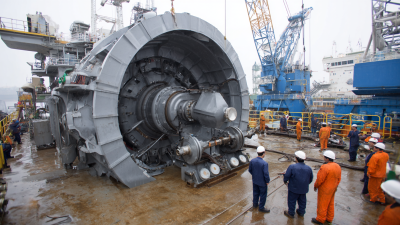
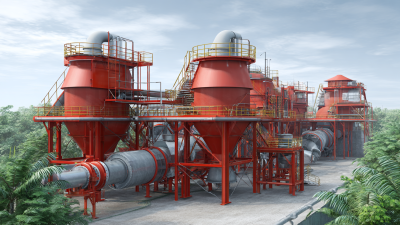
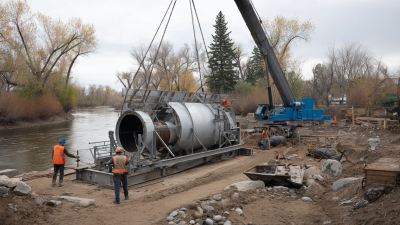
Deoiling Hydro Cyclones are pretty interesting devices used across different industries. They do a great job at separating oil from water, and they do it without breaking the bank. This whole process is actually super important for protecting our environment and making sure resources are managed wisely.
So, how do these hydro cyclones work? Basically, they spin water around really fast, creating a vortex. The heavier particles tend to settle out, while the lighter oil just floats right up to the top. A lot of companies, like OilTech Solutions, depend on systems like this. They make sure the water released back into the environment is clean and that they're staying within regulations.
But, it’s not all smooth sailing—there are some challenges, too. Regular maintenance is key if you want these things to keep working well. And, honestly, their performance can really depend on how they’re designed and installed. Sometimes folks overlook these details, which can lead to less-than-ideal results. Understanding how a Deoiling Hydro Cyclone works and why it’s important is pretty much essential if you want to be serious about sustainable practices and keeping things eco-friendly.

What is a Deoiling Hydro Cyclone?
A deoiling hydro cyclone is a crucial device in oil and gas operations. It effectively separates oil from produced water. This technology uses centrifugal forces to achieve this separation. The cyclone’s design allows heavy oil droplets to move to the outer wall. There, they collect and flow downward. Clean water exits at the top.
In its operation, simplicity meets efficiency. The cyclone is compact and requires minimal maintenance. Its high separation efficiency can sometimes impress. Yet, there are challenges. Variations in water composition can affect performance. Factors like flow rate and pressure also play significant roles. Finding the right balance is not always easy.
Users often find them challenging to optimize. The system’s efficiency can fluctuate based on input conditions. Over time, operators might notice reduced effectiveness. Regular monitoring and adjustments are essential. Despite these hurdles, deoiling hydro cyclones remain invaluable in the industry. Their ability to handle large volumes of water is a significant advantage. Yet, ongoing refinement of their operation can lead to even better outcomes.
What is Deoiling Hydro Cyclone and How Does It Work?
| Parameter |
Description |
Typical Value |
| Separation Efficiency |
The effectiveness in removing oil from water in the cyclone |
90-98% |
| Operating Pressure |
The pressure at which the cyclone operates to ensure efficient separation |
2-10 bar |
| Feed Flow Rate |
The volume of mixture fed into the cyclone for processing |
5-200 m³/h |
| Oil Content in Feed |
The ratio of oil present in the incoming mixture |
1-10% |
| Hydrocyclone Diameter |
The diameter of the cyclone affecting the flow and separation process |
50-300 mm |
| Material of Construction |
The material used to build the cyclone ensuring durability and corrosion resistance |
Carbon steel / Stainless steel |
Principle of Operation of Deoiling Hydro Cyclones
Deoiling hydro cyclones are crucial in separating oil from water. They operate on a simple yet effective principle. Fluid enters the cyclone at high speed. The centrifugal force acts on the mixture, causing the heavier oil droplets to move outward. They then rise, while the water moves downward.
The design is essential for efficiency. A conical shape helps to enhance separation. However, not every particle is perfectly aligned. Some oil droplets may still escape. The effectiveness can vary based on flow rates and mixture properties. The process requires careful monitoring to optimize performance.
Adjustments might be needed to achieve better results. Too much flow can disrupt the cyclone's operation. Even small changes in the mixture can affect separation efficiency. Understanding these nuances is vital. Users often question if the design could be improved. Continuous feedback can drive advancements in technology.
Key Components of Deoiling Hydro Cyclones
Deoiling hydro cyclones are critical in the separation of oil and water. They utilize centrifugal force for effective phase separation. The key components include the inlet, vortex finder, and underflow outlet. The inlet allows the mixture to enter, generating a spiral motion.
The vortex finder is crucial. It captures the cleaner phase, which helps prevent oil from contaminating water. The underflow outlet removes heavier particles. These components work together, creating an efficient separation process.
Tips: Regular maintenance of these components is vital. Blockages can reduce efficiency. Check for wear and tear frequently. Also, proper alignment of the cyclone ensures optimal performance. Remember to monitor flow rates and adjust as necessary. It's a straightforward system, but small issues can lead to significant inefficiencies. Reflecting on these details can help improve operations.
Applications of Deoiling Hydro Cyclones in Industry
Deoiling hydro cyclones are widely used in various industry applications. Their primary role is to separate oil from water effectively. These devices utilize centrifugal force to achieve high separation efficiency. In oil and gas operations, they play a crucial role in treating produced water. By removing oil contaminants, they help meet environmental regulations.
In the petrochemical sector, deoiling hydro cyclones ensure the purity of processes. They are integral to the treatment of wastewater, allowing oil recovery. This not only reduces waste but also enhances resource efficiency. The impact on operational costs can be significant. However, the design and specifications may vary, which could lead to inefficiencies if not properly selected.
Moreover, in marine applications, these cyclones manage oily bilge water. They can minimize the environmental footprint of ships. Yet, they require regular maintenance to function optimally. Manufacturers face challenges in improving the lifespan of these systems. Balancing efficiency and cost is always a struggle. As technology advances, there is potential for innovation in their design, but the road ahead is not without its complexities.
Advantages of Using Deoiling Hydro Cyclones
Deoiling hydro cyclones are efficient tools for separating oil from water. They harness centrifugal force, enabling fluid separation. This technology is widely used in various industries, particularly in oil and gas. The advantages of using deoiling hydro cyclones are notable.
One key benefit is their ability to handle large volumes of fluid. These cyclones can process wastewater quickly, enhancing overall operational efficiency. Additionally, they require minimal maintenance, saving time and resources. Their compact design allows for easy installation, facilitating integration into existing systems, which is an added bonus.
Tips: Ensure proper maintenance checks on your hydro cyclone to extend its operational life. Also, monitor the feed flow rate for optimal performance. Adjusting this rate can prevent overflow or underflow issues.
Another advantage is cost-effectiveness. Deoiling hydro cyclones reduce the need for chemical treatment, which lowers operational costs while maintaining high separation efficiency. Furthermore, these systems can achieve a high recovery rate of oil, which is valuable. Sometimes, however, they may not achieve perfect separation, creating opportunities for improvement in system design and operation.
Common Challenges and Limitations
Deoiling hydro cyclones are essential in separating oil from water. However, they come with unique challenges. One common issue is clogging. Particles can build up, reducing efficiency. Maintenance is crucial to prevent this. Regular cleaning can enhance the system's performance.
Another limitation is their sensitivity to flow rate changes. If the flow rate shifts too much, the separation process can become inefficient. Operators need to monitor flow closely. Any drastic change may lead to poor separation results.
Tips: Always keep the system clean. This prevents clogging and ensures better performance. Additionally, regularly calibrate flow meters. Accurate measurements lead to smoother operations. Adjusting flow rates gradually can also help maintain efficiency. Keep an eye on the performance regularly, and be ready to troubleshoot. This proactive approach can mitigate many issues.
Maintenance Tips for Deoiling Hydro Cyclones
Deoiling hydro cyclones play a crucial role in separating oil from water in various industrial applications. Regular maintenance is essential to ensure optimal performance. Neglecting upkeep can lead to efficiency losses and increased operational costs. The industry standard suggests that cyclones should be inspected at least once every six months. This helps prevent unexpected downtime.
One key maintenance tip is to regularly check for wear in the cyclone lining. Studies indicate that worn linings can reduce separation efficiency by up to 20%. Keep an eye out for any unusual noise or vibration during operation. These signs can indicate potential issues that need addressing.
Another useful tip is to optimize the feed flow rate. Overloading the cyclone can lead to poor separation and increased oil carryover. Adjusting the flow within the manufacturer's recommended parameters is vital. Remember, even small changes in operational conditions can significantly impact performance. Regular monitoring and adjustments can maintain efficiency and extend the lifespan of the cyclones.
FAQS
: The article aims to inform readers about different topics. It seeks to provide valuable insights.
The audience includes anyone interested in gaining knowledge. This may include students, professionals, and casual readers.
Yes, readers should engage thoughtfully. Reflect on the information and consider personal experiences when applying it.
Readers can gain practical knowledge and applicable tips. They might improve their skills or understanding of various subjects.
The tone is informative but conversational. It encourages readers to think critically about what they read.
Yes, some complex ideas may require deeper thought. Readers should carefully analyze information and seek clarification if needed.
Readers should remain open-minded yet critical. Some viewpoints presented may challenge current beliefs.
Self-reflection helps readers connect personally. It enhances comprehension and retention of the material.
Yes, readers may want to seek additional resources. This can lead to more comprehensive understanding.
The article encourages curiosity and lifelong learning. It emphasizes the importance of questioning information actively.
Conclusion
A Deoiling Hydro Cyclone is an advanced separation technology used primarily in industrial applications to efficiently remove oil from water and other fluids. Operating on the principle of centrifugal separation, these cyclones utilize the difference in density between oil and water to achieve effective deoiling. Key components include the cyclone body, inlet, and outlet, which work together to facilitate the separation process.
Deoiling Hydro Cyclones are widely used in various industries such as oil and gas, wastewater treatment, and petrochemicals for their ability to improve fluid quality and reduce environmental impact. The advantages of using these systems encompass high efficiency, low energy consumption, and minimal maintenance requirements. However, users may face challenges such as wear on components and specific operational limitations. To ensure optimal performance, regular maintenance, including monitoring wear and tear, is essential. Overall, Deoiling Hydro Cyclones represent a vital technology for enhancing fluid separation processes in today's industrial landscape.