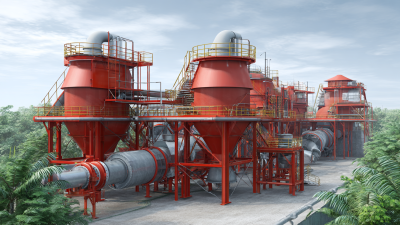
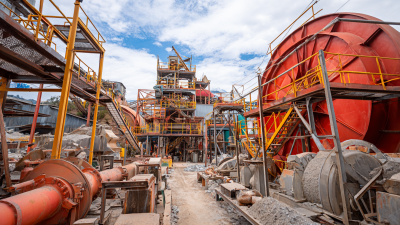
In the fast-paced world of industrial manufacturing, the Hydrocyclone Separator really stands out as a key player. Experts in the field agree—it’s pretty much essential. For example, Dr. Samuel Wright, a well-known hydrocyclone specialist at Precision Separation Technologies, once said, ‘Hydrocyclone Separators are absolutely crucial for efficient solid-liquid separation.’ His words really highlight just how important this technology is when it comes to boosting production efficiency.
Basically, hydrocyclone separators work by spinning materials at high speeds, creating centrifugal forces that separate things based on their density. This process is super important across a bunch of industries—think mining, wastewater treatment, even food processing. And as global demand for effective solutions keeps growing, more and more buyers are on the lookout for systems they can rely on that also fit their specific needs. Honestly, with so many options out there, making the right choice can feel overwhelming.
But here’s the thing—people often jump into buying without fully understanding what they really need. Sometimes they overlook stuff like whether the materials are compatible or what kind of maintenance will be required. Like Dr. Wright mentioned, it’s not just about picking any Hydrocyclone Separator; it’s about making sure it’s the right fit for your specific setup. In this ever-changing market, making informed decisions is absolutely crucial if you want your operation to succeed long-term.

Top Hydrocyclone Separator Solutions for Global Buyers
When considering hydrocyclone separator solutions, global buyers must navigate a complex landscape. These devices effectively separate materials based on density and size. They are widely used in industries like mining, oil, and waste management. The efficiency of these separators greatly impacts operation costs and resource recovery rates.
Each buyer’s needs differ. Understanding the specific application is crucial. A hydrocyclone's design affects its performance. For example, feed size and flow rates influence how well it operates. Buyers should evaluate the materials being processed to ensure optimal selection.
Tips: Always consult with industry professionals when selecting equipment. They can offer insights tailored to your operation. Analyze case studies relevant to your industry. This can prevent costly mistakes. Proper maintenance schedules are key. Neglect can lead to unexpected downtime and reduced efficiency. Remember, the right choice today can pay off in the long run.
Understanding Hydrocyclone Separators: Basics and Functionality
Hydrocyclone separators play a critical role in various industries. They effectively separate solids from liquids through centrifugal force. This simple yet efficient mechanism relies on the difference in density between particles and the fluid. As the mixture enters the cyclone, it spirals downwards, creating a powerful vortex. This vortex helps in concentrating the heavier particles at the bottom.
The design of hydrocyclones can vary significantly. Some models focus on maximizing throughput, while others prioritize particle separation accuracy. Users must assess their specific needs before selecting a hydrocyclone. Factors such as particle size, flow rate, and fluid properties can influence performance. It's essential to consider these elements to ensure optimal efficiency.
However, not all hydrocyclones deliver perfect results in every scenario. Some challenges include wear and tear from abrasive materials. Additionally, improper sizing can lead to reduced efficacy. Users should closely monitor the operation and make adjustments based on their observations. Continuous improvement and adaptation can enhance the functionality of hydrocyclone separators.
Key Applications of Hydrocyclone Separators in Various Industries
Hydrocyclone separators are essential in various industries. They excel in separating particles from liquids, making them valuable in mining, wastewater treatment, and oil & gas applications. For example, in mining, hydrocyclones can recover over 90% of fine particles, significantly improving efficiency. This high separation efficiency is crucial for reducing waste and maximizing resource extraction.
In the oil and gas sector, hydrocyclones are often employed in the separation of solids from liquids in drilling activities. Studies show that using hydrocyclones can reduce solids content in drilling fluids by up to 75%. This reduction leads to better drilling performance and less environmental impact. Moreover, the adaptability of hydrocyclones allows them to operate in various flow rates and particle sizes, making them versatile tools across different applications.
Water treatment facilities also benefit greatly from hydrocyclone technology. They can effectively remove sand, silt, and other contaminants from water sources. Research indicates that hydrocyclones can cut down on sediment by 50%-80% in applications, depending on design and operating conditions. However, inconsistencies in flow rates can lead to less efficient separations. This necessitates continuous monitoring and adjustments to maintain optimal performance, highlighting an area for improvement in the operation of hydrocyclone systems.
Criteria for Selecting the Right Hydrocyclone Separator
When selecting a hydrocyclone separator, buyers should consider several key factors. The particle size distribution is crucial. Different applications require different separation sizes. Understanding the feed characteristics helps in making informed choices. The efficiency of the separator and its capability to handle varying flow rates is also essential. These factors determine how effectively particles can be separated.
Another important aspect is material compatibility. The separator must withstand the chemicals or substances being processed. This ensures durability and lowers maintenance needs. Installation and maintenance requirements should also be taken into account. A complex setup can lead to higher operational costs. Some systems may require specialized training for staff, adding to expenses.
Buyers should also look into the supplier's expertise. A reputable supplier often has extensive experience in the industry. They can provide valuable insights and support. However, customers should reflect on their own operational needs. Defining clear objectives helps in making the right choice. A misalignment could lead to inefficiencies, affecting overall productivity.
Top Hydrocyclone Separator Solutions for Global Buyers
| Criteria |
Description |
Importance Level |
| Material Type |
Assess the type of material to be processed (e.g., sludge, ore). |
High |
| Flow Rate Capacity |
Determine the required flow rate to meet operational demands. |
High |
| Efficiency |
Evaluate separation efficiency based on application requirements. |
Critical |
| Size and Dimensions |
Consider available installation space and physical dimensions. |
Medium |
| Maintenance Requirements |
Assess ease of maintenance and part replacement. |
High |
| Cost |
Analyze purchase cost vs. operational cost over time. |
Medium |
| Supplier Reputation |
Research supplier history and customer reviews. |
Critical |
Top Manufacturers of Hydrocyclone Separators Worldwide
Hydrocyclone separators play a crucial role in industries like mining, oil and gas, and water treatment. Their efficiency in separating particles from liquids has made them indispensable. Several key manufacturers dominate the global market, showcasing innovative designs and advanced technologies. Reports indicate that the hydrocyclone market size was valued at approximately $109 million in 2022 and is projected to grow steadily over the coming years.
These manufacturers utilize high-quality materials and cutting-edge engineering. The effectiveness of a hydrocyclone largely depends on its design and the operational parameters set by the user. In fact, a detailed study shows that over 70% of users encounter challenges related to wear and tear due to abrasive materials. This data emphasizes the need for manufacturers to focus on enhancing durability and efficiency.
Moreover, continuous innovation is vital. Some companies are exploring digital technologies to optimize the performance of hydrocyclones. This includes monitoring their operation in real-time to improve separation efficiency. Despite advancements, users often find it difficult to achieve optimal performance without proper support and training. The need for knowledgeable personnel remains a significant gap in the industry.
Innovative Technologies in Hydrocyclone Separator Design
Hydrocyclone separators play a vital role in various industries, especially in mineral processing and wastewater treatment. Recent advancements in hydrocyclone design have focused on increasing efficiency and reducing operational costs. According to a report from the International Journal of Mineral Processing, modern hydrocyclones can achieve separation efficiencies of over 90%. This is an impressive leap, yet ongoing research indicates that many existing designs still have room for improvement, particularly in reducing energy consumption.
Innovative technologies, such as computational fluid dynamics (CFD), enhance the design process. Engineers can simulate flow patterns within hydrocyclones, leading to better designs and predictive capabilities. For example, a recent study noted that incorporating variable geometry could reduce wear on hydrocyclones by up to 30%. Despite these advancements, the challenge remains in balancing efficiency with maintenance needs. Many clients report that high-efficiency designs often lead to unexpected wear rates, necessitating regular maintenance schedules that can offset initial cost savings.
Furthermore, the adoption of advanced materials offers potential benefits. New composites can resist abrasion and corrosion, extending the lifespan of hydrocyclones. However, these materials often require a higher upfront investment. The payback period can exceed initial expectations, prompting some companies to hesitate. Data suggests that while performance improves, the transition to new materials is met with skepticism, underscoring the importance of thorough analysis before implementation. The journey toward optimal hydrocyclone design continues to evolve, reflecting both the industry's need for efficiency and manufacturers' commitment to innovation.
Cost Analysis: Budgeting for Hydrocyclone Separator Solutions
When considering hydrocyclone separator solutions, budgeting is critical. The global market has been expanding significantly. According to a recent industry report, the hydrocyclone market is projected to reach $1.2 billion by 2027, with a CAGR of over 5.3%. This growth indicates a rising demand for cost-effective, efficient solutions across various industries, including mining and petroleum.
A detailed cost analysis can unveil hidden expenses. Initial purchase costs are just a part of the budget. Installation costs, maintenance, and operational efficiency all contribute to the total expenditure. Notably, the maintenance cost of hydrocyclones can vary widely. Estimates suggest around 10-15% of the total investment might be necessary for proper upkeep annually.
Tips: Regular inspections can help prevent major repairs. Consider investing in training your staff to enhance operation efficiency. It can significantly reduce operational costs. Moreover, selecting the right materials for construction is crucial. Cheap materials may save money upfront but could lead to higher long-term expenses. Ultimately, a thorough analysis helps buyers make informed decisions. Reliable suppliers provide insights and support for optimizing these systems within budget constraints, ensuring value over time.
Cost Analysis of Hydrocyclone Separator Solutions
Future Trends in Hydrocyclone Separation Technology
The hydrocyclone separation technology is evolving rapidly, driven by increasing industrial demands. According to a recent market report by Technavio, the global hydrocyclone market is projected to grow by 5.1% annually until 2025. This trend highlights the urgent need for enhanced separation efficiency in various sectors, such as mining and wastewater treatment.
One emerging trend is the integration of advanced materials in hydrocyclone design. High-strength polymers are becoming popular due to their resistance to wear and corrosion. These innovations can extend the lifecycle of hydrocyclones, reducing overall operating costs. However, the transition to these new materials might require significant investment in research and development, which can pose a challenge for some manufacturers.
Efficiency optimization is another focus area. Companies are exploring ways to enhance separation performance through innovative designs and computational fluid dynamics (CFD) simulations. Despite successes, many are still grappling with issues like wear patterns and maintenance frequency. Continuous improvement is essential, as even minor inefficiencies can lead to substantial financial losses over time. As the industry advances, staying informed about these technological developments is crucial for decision-makers.
FAQS
: Hydrocyclone separators primarily separate solids from liquids using centrifugal force.
It creates a vortex as the mixture spirals down. Heavier particles concentrate at the bottom.
Key factors include particle size, flow rate, and fluid properties.
No, they may face challenges like wear from abrasive materials and improper sizing.
Regular observation helps users make necessary adjustments for better functionality.
By focusing on high-quality materials and innovative designs to combat wear.
Continuous innovation, including digital technology, is vital for enhancing separation efficiency.
Often, users lack proper training, creating a gap in achieving optimal performance.
Accurate separation ensures effective operation and meets specific user needs.
Users typically struggle with issues related to wear, tear, and maintaining efficiency.
Conclusion
The article "Top Hydrocyclone Separator Solutions for Global Buyers" provides a comprehensive overview of hydrocyclone separators, detailing their fundamental principles and operational mechanisms. These devices play a critical role in various industries, effectively separating materials based on differences in density and size. Key applications include mining, wastewater treatment, and oil and gas processing, highlighting their versatility and importance in resource management.
Selecting the right hydrocyclone separator entails considering factors such as efficiency, cost, and specific operational needs. The article discusses leading manufacturers and emerging innovative technologies that enhance the design and functionality of these separators. Additionally, a cost analysis underscores the importance of budgeting for hydrocyclone separator solutions, while insights into future trends indicate ongoing advancements in separation technology, promising even greater efficiency and effectiveness in industrial applications.