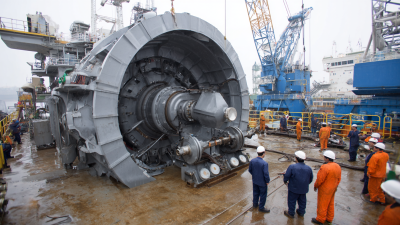
You know, in industrial setups, a Liquid Liquid Separator is pretty much the backbone when it comes to getting things done efficiently. It’s key for separating liquids that just don’t mix—think of it like a natural big divider based on how dense each liquid is. I was chatting with Dr. John Miller from Separation Solutions Corp., and he told me, “Liquid Liquid Separators are crucial for making sure we recover resources effectively and cut down on waste.”
Now, operating these separators isn’t always a walk in the park. The general idea is to let the mixture sit in a chamber and let gravity do its thing—heavier liquids sink, lighter ones float. But honestly, nailing the perfect separation isn’t always super easy. Different liquids can throw off the process, making performance a bit unpredictable.
Industry folks keep emphasizing that we should always be looking for ways to do better. Dr. Miller points out that regular maintenance and assessments are so important if you want these separators to work their best. In today’s fast-paced world where efficiency is everything, understanding and tweaking these systems can really make a difference—saving the environment and helping businesses make more money at the same time.

What is a Liquid Liquid Separator?
A liquid-liquid separator is a crucial device used in various industries. It helps separate two immiscible liquids. Typically, these liquids have different densities, like oil and water. The process often involves gravity or centrifugation. By utilizing physical properties, the separator efficiently achieves this separation.
Tips: Always ensure the separator’s design matches your needs. Different applications may require specific configurations. Monitor the input flow rate closely. An inconsistent flow can affect the separation process.
Operating a liquid-liquid separator is not without challenges. Sometimes, emulsions form, making separation difficult. Regular maintenance is essential. Clogging can occur with time, impacting performance. Operators should inspect the equipment frequently. In some cases, additional chemicals might be necessary to break emulsions.
Tips: Test your liquids in small batches before large-scale operations. Understanding the characteristics of the liquids involved is key. Training staff on equipment handling can prevent accidents.
Liquid Liquid Separators in Different Industries
Principles of Liquid Liquid Separation Technology
Liquid-liquid separation technology is crucial in various industries. This process involves separating two immiscible liquid phases, often differing in density or composition. The principal mechanism relies on gravity, buoyancy, and cohesive forces. When two liquids are combined, they typically separate based on these properties.
Different methods can enhance separation efficiency. Settling tanks and centrifuges are common tools. Settling tanks work by allowing time for the phases to separate naturally. Centrifuges, on the other hand, use rotational force to quicken this process. Both methods, however, may struggle with emulsions or fine particles. This creates challenges for operators. They must constantly assess and adjust parameters.
Understanding this technology leads to better processes in oil, water, and chemical separations. Industries strive for efficiency and cost-effectiveness. However, separating liquids is not always straightforward. Continuous improvements and troubleshooting are necessary. Operators may encounter unforeseen issues that require innovative solutions.
Types of Liquid Liquid Separators Used in Industries
Liquid-liquid separators are crucial in various industries. These devices separate immiscible liquids, such as oil and water, by exploiting differences in density. They come in different types, each serving specific purposes and applications.
One common type is the decanter. This device uses centrifugal force to enhance separation. It’s often used in wastewater treatment. Another type is the gravity separator. This system relies on the natural buoyancy of different liquids to achieve separation. It is used in oil refining and chemical processes. The float-sink method is yet another approach. It can be less efficient but is useful for specific mixtures and lighter components.
Each type has its strengths and weaknesses. Decanters can be energy-intensive. Gravity separators may require longer processing times. While they are simpler, they might not achieve desired purity levels. Reflecting on these aspects is important when selecting a separator for a particular process. Understanding the facility's specific needs is crucial for effective separation.
Key Components of a Liquid Liquid Separator System
A liquid-liquid separator is essential in various industries for efficiently separating two immiscible liquids. Understanding its key components is crucial to grasping how it functions. Primary components include the separator vessel, sensors, and control systems. The vessel serves as the main area where separation occurs, allowing different liquid phases to settle.
The separator vessel is designed to promote phase separation. It often has multiple chambers to enhance the settling time. Floating and sinking liquids are kept apart, but the design can sometimes be a point of concern. The wrong shape or internal structure may hinder efficiency. Furthermore, sensors monitor the liquid levels and quality. If these sensors fail, the system's effectiveness drops significantly.
Another significant component is the control system. It manages the entire separation process, adjusting parameters based on real-time data. However, if the system is not calibrated correctly, it may lead to suboptimal performance. Regular maintenance is essential. Overlooking this can result in costly downtimes. Proper training for operators is also necessary to avoid mishaps in the processing stages. Understanding these components can help industries improve their liquid separation processes and troubleshoot issues effectively.
Working Mechanism of Liquid Liquid Separators
Liquid-liquid separators play a crucial role in various industries. They efficiently separate different liquid phases based on density differences. This separation process is vital in sectors such as oil refining, wastewater treatment, and chemical processing.
The working mechanism involves several steps. Initially, the mixture enters the separator. As it flows through, gravity aids in the separation. The denser liquid settles at the bottom while the lighter liquid rises to the top. In some designs, additional features like agitating devices enhance the separation efficiency. Regular maintenance is essential for optimal performance.
Despite their effectiveness, challenges exist. For instance, emulsions can complicate the separation process. Separated phases may still have small amounts of each other. Adjustments to operational parameters may be needed to optimize performance further. Understanding these nuances is critical for improving processes in industrial applications.
Applications of Liquid Liquid Separators in Various Industries
Liquid-liquid separators are crucial in various industries, especially in chemical processing, oil refining, and wastewater treatment. These devices efficiently separate immiscible liquids based on differences in density. In many cases, they optimize processes and enhance product quality. For example, in the oil industry, they help separate oil from water, ensuring cleaner outputs.
In the realm of wastewater treatment, liquid-liquid separators play an essential role. They remove contaminants and heavy metals from effluents before discharge. This process improves environmental compliance. However, operators sometimes face challenges with sediment buildup, which can affect efficiency. Regular maintenance is vital.
Food processing is another industry benefiting from these separators. They separate fats and oils during production. However, this can sometimes lead to product loss. Therefore, understanding the specific application is key to maximizing efficiency. Overall, the development and operation of liquid-liquid separators require careful consideration to ensure optimal performance and effectiveness across various sectors.
Benefits and Efficiency of Using Liquid Liquid Separators
Liquid-liquid separators play a critical role in various industries. These machines efficiently separate immiscible liquids, like oil and water. By utilizing gravitational or centrifugal force, they help improve the quality of final products. This separation process is essential in sectors such as petrochemicals, wastewater treatment, and food processing.
The benefits of using liquid-liquid separators are significant. They enhance operational efficiency, reducing processing time and costs. Industries often face challenges like equipment fouling. Separators can minimize such issues, leading to longer equipment life. They also support environmental compliance by reducing waste.
However, not all separators perform equally. Some may require more frequent maintenance or adjustments.
In practice, the effectiveness of these separators can vary. Factors like feed composition and flow rates influence performance. Understanding these variables is crucial for optimizing their use. Constant monitoring is needed to achieve desired results. Operators must be ready to adapt strategies as conditions change, ensuring maximum efficiency in their operations.
FAQS
: Meditation helps reduce stress. It promotes relaxation and improves focus. Many people feel calmer after practicing.
Start with five to ten minutes. Gradually increase the time as you become comfortable. Consistency matters more than duration.
Yes, meditation can enhance sleep. It relaxes the mind and body, making it easier to fall asleep.
No specific position is required. Sit comfortably in a way that allows you to relax and focus.
Yes, having thoughts is normal. Acknowledge them and gently bring your focus back to your breath or mantra.
Many find meditation helpful for anxiety. It encourages a calm state of mind, but results can vary.
Look for resources that resonate with you. Check reviews and consider trying different styles before deciding.
Restlessness is common. Acknowledge it, then refocus your attention. It’s a part of the practice and can be reflective.
Yes, falling asleep can happen. It indicates relaxation but may mean you're too tired. Adjust your meditation time accordingly.
Absolutely! Beginners can start with simple techniques and short sessions. Progress takes time and patience; there's no rush.
Conclusion
A Liquid Liquid Separator is a crucial device used in various industries to efficiently separate immiscible liquids based on their density differences. Its working principle relies on gravity, where the lighter liquid rises to the top and the heavier liquid settles at the bottom, enabling effective separation. There are different types of Liquid Liquid Separators, each designed for specific applications, utilizing key components such as separation chambers and baffles to enhance the separation process.
The applications of Liquid Liquid Separators span across industries including oil and gas, wastewater treatment, and chemical manufacturing, providing significant benefits such as improved product purity and operational efficiency. By implementing Liquid Liquid Separation technology, industries can achieve higher productivity while effectively managing resources and reducing environmental impact.