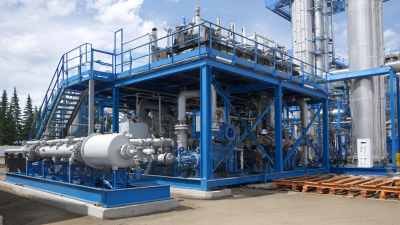
Oil, Gas, Water, and Solids Separation — it’s a pretty big deal in industries like oil and gas extraction. Basically, it’s all about pulling apart these different components from crude oil and natural gas so that everything can be processed and refined more efficiently. Knowing how this separation works isn’t just technical jargon; it’s key to getting the most out of resources and cutting down on costs.
The process itself uses some pretty sophisticated tech — think separators and filtration systems — that are designed to target each component based on what makes them unique. For example, gravity separation relies on differences in density, while chemical treatments can break up emulsions that are tricky to handle. This kind of precision helps operators recover valuable stuff and keep waste to a minimum.
But hey, it’s not all smooth sailing. There are plenty of hiccups — equipment can fail or maintenance might fall behind. That’s why constant monitoring and being adaptable are so important. The good news is that as technology keeps evolving, new innovations are coming up all the time to tackle these challenges. Staying on top of these developments can really help companies, like PetroTech Solutions, stay ahead of the game in this crucial process.

What is Oil Gas Water Solids Separation?
Oil gas water solids separation is a critical process in the oil and gas industry. This process helps to separate different components present in produced fluids. It primarily involves separating oil, gas, water, and solids. Each component has distinct properties that can be exploited for effective separation.
In this separation process, gravity plays a crucial role. Oil, being less dense, rises to the top. Water, being denser, settles at the bottom. Solids, such as sand and other particulates, can also settle out. This natural separation is often enhanced with the use of technologies like centrifuges or filtration systems. These systems help improve efficiency, ensuring clean separation.
However, challenges persist. Not all substances separate easily. Emulsions, for instance, can complicate this process. They require additional treatment methods, which can be costly and time-consuming. Moreover, operational conditions, such as temperature and pressure, can impact efficiency. Continuous monitoring is essential. It ensures the system operates optimally and meets regulatory standards. The complexity of this separation process highlights the need for expertise and continuous improvement in techniques.
The Importance of Separation in the Oil and Gas Industry
The oil and gas industry faces challenges from the simultaneous presence of oil, gas, water, and solids in production. Effective separation of these elements is crucial for optimal operations. Not only does it enhance efficiency, but it also protects equipment from damage. The introduction of separation technologies has revolutionized the industry. With advancements, we can now more accurately partition these components.
The significance of separation cannot be overstated. It prevents contamination of the crude oil, ensuring higher quality output. Moreover, proper separation reduces environmental risks. Inadequately separated fluids can lead to spills, harming ecosystems. While technologies exist, they are not flawless. Regular maintenance and upgrades are necessary to ensure they perform efficiently.
Training staff to handle separation processes is vital too. Skilled operators make timely decisions that can save costs and resources. However, the need for more consistent training persists within the industry. Balancing cutting-edge technology with skilled human operation often proves challenging. The path forward must include better integration of these aspects.
Key Components of Separation Systems: Oil, Gas, Water, and Solids
In the oil and gas industry, separation processes are vital. They involve separating oil, gas, water, and solids from one another. Effective separation improves product quality. It also enhances recovery rates and minimizes environmental impact. Research indicates that proper separation can increase oil recovery by as much as 15%.
Oil, gas, water, and solids are the key components in separation systems. Each has unique properties that require specific handling. Oil and water have different densities, making gravity separation effective. Gas rises quickly, needing specialized equipment, like gas-liquid separators. Solids, often produced during extraction, require filtration units to avoid clogging. Implementing these systems often reflects operational efficiency.
However, challenges remain. Overlooking routine maintenance can lead to inefficiencies. For instance, a report from the Society of Petroleum Engineers highlights that sediment accumulation can reduce separation efficiency by up to 30%. Operators must continuously monitor processes. Ensuring effective separation is a complex task that requires expertise and regular updates to equipment. Statistically, facilities that invest in training see a significant reduction in operational issues.
Processes Involved in Oil Gas Water Solids Separation
Oil, gas, water, and solids separation is a critical process in the energy sector. Understanding the mechanisms behind this process is key to efficient resource management. The separation relies on differences in density and viscosity. Devices like separators and centrifuges are commonly utilized to aid in this task.
The process begins with the incoming mixture. It often contains hydrocarbons, water, and various solids. Each component has distinct physical properties. Gravity separation plays a vital role, allowing heavier solids to settle at the bottom. Meanwhile, lighter oil rises to the surface. However, achieving complete separation can be challenging. Emulsions and fine particles often complicate the process.
Chemical additives might be employed to facilitate separation. These agents help break down emulsions, enhancing the efficacy of the process. While effective, their use must be monitored. Over-reliance on chemicals can lead to unforeseen environmental implications. It's vital to strike a balance between efficiency and sustainability in separation techniques. Continuous innovation and evaluation are essential for improvement in oil, gas, water, and solids separation methods.
Industry Standards and Regulations Governing Separation Techniques
Oil, gas, water, and solids separation processes are crucial in various industries. These processes are guided by industry standards and regulations that ensure efficiency and safety. Organizations set these standards to minimize environmental impact and protect public health.
Regulatory bodies define separation techniques. They dictate methods for handling waste and emissions. Compliance with these regulations is vital for operational success and sustainability. Industries must stay updated with local and international standards to avoid penalties. Regular audits can help in maintaining compliance.
Tips: Always check the latest regulations in your area. Understanding these details can prevent costly mistakes. Keep communication open with regulatory bodies. Building a good relationship can lead to better support and guidance.
Risk management is essential. Companies need to evaluate their separation processes regularly. Sometimes, existing techniques may not be as effective as believed. Exploring new technologies could enhance separation efficiency.
Oil, Gas, Water, and Solids Separation Efficiency
Technological Advances in Separation Methodologies
Technological advances in oil, gas, water, and solids separation have transformed industry practices. Modern methods now utilize advanced materials and automation. Membrane technologies are gaining traction, offering high efficiency in separating contaminants. These membranes can filter out solids and oil droplets from water with impressive precision.
Moreover, gravity separation techniques have evolved. New separator designs enhance separation rates while minimizing energy consumption. These designs can handle larger volumes and adapt to varying conditions. The incorporation of sensors in separation equipment allows for real-time monitoring, ensuring optimal performance. Operators can now adjust processes dynamically, leading to improved efficiency.
Despite these advances, challenges remain. The complexity of mixtures can hinder effective separation. Maintenance of advanced systems can be demanding and costly. Additionally, environmental concerns surrounding waste disposal need careful consideration. Thus, while technology progresses, continuous evaluation and adaptation are essential for success.
Challenges and Solutions in Effective Separation Processes
Oil gas water solids separation is a critical process in the energy sector. It involves separating three main components: oil, gas, water, and solids. Effective separation is essential for operational efficiency. Yet, companies face significant challenges during this process. A key issue is the presence of emulsions that hinder separation efficiency. According to a recent industry report, nearly 25% of produced water remains mixed, leading to costly disposal problems.
Another challenge lies in the equipment used for separation. Technologies often face wear and tear due to harsh operating conditions. Statistics suggest that up to 40% of separators experience performance degradation, impacting production rates. Regular maintenance and upgrades are crucial to addressing this issue, but they are often overlooked. Companies should consider investing in advanced monitoring systems to ensure optimal functioning.
Tips: Ensure regular maintenance schedules are strictly followed. This can prevent unexpected downtimes. Additionally, training operators on the latest technologies can enhance separation efficiency. Stay updated with industry trends and reports. This knowledge can guide investment decisions in separation technology. It's also important to analyze failure patterns to prevent future issues. Identifying these shortcomings can lead to more innovative solutions.
FAQS
: It's a process that separates oil, gas, water, and solids from produced fluids.
Oil rises due to being less dense, while water settles at the bottom.
Centrifuges and filtration systems improve the efficiency of the separation process.
Emulsions complicate separation, requiring additional treatment that can be costly.
Factors like temperature and pressure can influence how well the separation occurs.
New methods include advanced materials, automation, and improved gravity separation techniques.
Membranes filter out solids and oil droplets from water with high efficiency.
Yes, maintaining complex systems can be demanding and expensive.
It ensures optimal operation, compliance with standards, and enhances efficiency.
Environmental concerns must be carefully evaluated to avoid negative impacts.
Conclusion
Oil/Gas/Water/Solids Separation is a critical process in the oil and gas industry, essential for ensuring environmental safety and operational efficiency. This separation technique involves the effective management of four key components: oil, gas, water, and solids. By separating these elements, companies can adhere to industry standards and regulations while minimizing environmental impact.
The processes involved in Oil/Gas/Water/Solids Separation employ various methodologies, enhanced by recent technological advances. These innovations have addressed numerous challenges, allowing for more effective and efficient separation. As the industry continues to evolve, the need for improved separation processes remains paramount, making ongoing research and development crucial for sustainability and productivity in the sector.