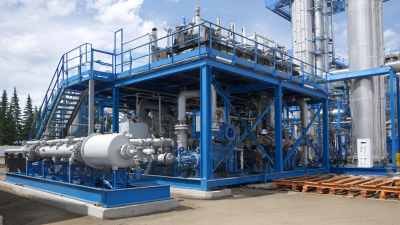
You know, I think people often overlook just how important natural gas processing really is. One thing that doesn’t get enough attention is Pre-compressor Natural Gas Desanding. Honestly, a lot of facilities skip this vital step, and that can cause all sorts of operational headaches. It’s basically about removing solid debris before the gas gets compressed. Doing this keeps the compressors in good shape and helps them last longer — I’ve seen companies like Alpha Gas Services really turn things around after they started paying attention to desanding. If you don’t do it properly, sediment can build up, which might lead to expensive repairs and unexpected downtime. Sometimes, facilities don’t even realize how much trouble that can cause. So, understanding why efficient desanding matters isn’t just a good idea — it’s kinda essential for keeping everything running smoothly and getting the best out of natural gas production. Putting emphasis on Pre-compressor Natural Gas Desanding can really make a difference, leading to smoother operations and better results overall.

What is Pre-compressor Natural Gas Desanding?
Pre-compressor natural gas desanding is a crucial process in gas treatment. This technique involves removing solid particles, like sand, from the gas stream before it enters compressors. These particles can cause damage to the machinery, leading to increased maintenance costs and reduced efficiency. By eliminating these contaminants, facilities can enhance the reliability of their compressors.
The desanding process typically includes filtration and separation. Specialized equipment is used to target specific particle sizes. However, not all systems are perfect. Some designs struggle with efficiency. Inconsistent particle removal can still occur, leading to possible equipment wear. Regular monitoring and adjustments are essential to optimize the desanding operation. Facilities might find themselves revisiting their methods to identify potential improvements continually.
In practice, implementing an effective desanding operation requires careful planning. Operators must consider flow rates, particle types, and overall system design. Ignoring even small details can result in significant issues down the line. Companies should remain proactive, adapting their strategies as needed. The goal should be consistently efficient operations, minimizing interruptions and maximizing production.
The Importance of Desanding in Gas Processing Systems
The process of desanding in gas processing systems is crucial. Natural gas often contains solid contaminants. These impurities can lead to significant operational issues. Sand can cause wear and tear on equipment. This ultimately increases maintenance costs and operational downtime.
Desanding helps in maintaining efficient gas flow. Clear pipelines mean better throughput and reduced energy consumption. If sand builds up, it can block pipes or valves. This not only disrupts production but can also pose safety risks. Efficient systems rely on clean components. Over time, neglecting desanding can lead to severe consequences.
Implementing effective desanding techniques is not always straightforward. Operators may overlook minor sand buildup initially. However, this can snowball into bigger problems. Regular monitoring and maintenance are essential. A proactive approach is required to address desanding needs continually. Every facility should have a tailored strategy. Recognizing the importance of desanding is a step toward improving overall efficiency.
How Sand Contaminates Natural Gas Supply Chains
Sand contamination poses significant challenges in the natural gas supply chain. It often originates from various sources, including geological formations. When gas is extracted, it carries sand particles along with it. These particles can cause equipment wear and tear. Over time, they lead to inefficiencies and costly repairs.
Handling sand is crucial for maintaining efficiency. Sand can clog pipelines and hinder flow rates. This blockage forces operators to increase pressure, risking pipeline integrity. Regular monitoring and pre-compressor desanding can mitigate these issues. However, many systems still lack robust filtration mechanisms. This negligence can lead to unexpected downtimes. Operators must reflect on their current processes to identify vulnerabilities.
Effective sand management requires attention to detail. Implementing filters and separators can improve performance. Yet, not all systems prioritize this step. Some operators may overlook the costs involved. They might undervalue the long-term benefits of preventing sand-related issues. It’s a cycle of neglect that could result in severe operational setbacks. Addressing these challenges is not only necessary but essential for sustainable practices in the gas industry.
Impact of Sand Accumulation on Compressor Efficiency
Sand accumulation in natural gas compressors is a silent efficiency killer. Industry reports indicate that even small amounts of sand can cause significant wear and tear on compressor components. A study from the Gas Compression Association estimated that just 0.1% sand by volume can reduce efficiency by up to 20%. This reduction leads to higher energy consumption and increased operational costs.
The impact of sand does not stop at efficiency. It can lead to unplanned shutdowns and costly repairs. Compressor downtime averages around 50 hours annually due to sand-related issues, costing operators thousands in lost production. Additionally, a 2019 report highlighted the correlation between sand buildup and higher maintenance costs, which can rise by up to 30% over time without proper desanding processes.
Even with advanced filtration, some sand may slip through. Operators often overlook the need for periodic desanding measures. The risk grows at sites with high sand production levels. Regular maintenance schedules can mitigate these risks, improving compressor longevity and overall system reliability.
Technical Methods for Effective Gas Desanding
Pre-compressor natural gas desanding is vital for operational efficiency. Sand and particulates in gas can lead to equipment wear and reduced performance. Industry reports suggest that sand accumulation can cause a decrease in compressor efficiency by up to 25%. This loss increases operational costs and affects overall productivity.
Techniques for effective gas desanding include hydrocyclones, filtration systems, and centrifugal separators. Hydrocyclones utilize centrifugal force to separate sand from gas. This method can remove particles as small as 10 microns. Filtration systems capture larger debris but might need frequent replacements. The choice of method depends on specific requirements and conditions. A study noted that using multiple methods can enhance desanding efficiency significantly.
These techniques are not flawless. Hydrocyclones may struggle with low flow rates. Filtration can lead to pressure drops. Regular maintenance is critical to prevent these issues. Neglecting this aspect can lead to unexpected downtimes and higher costs. Balancing efficiency and maintenance is essential for optimal performance in gas processing facilities.
Benefits of Pre-compressor Desanding for Equipment Longevity
Pre-compressor desanding plays a crucial role in maintaining equipment longevity. The presence of sand and solids in natural gas can lead to significant wear and tear on compressors. Studies show that 80% of compressor failures are due to contamination from solids. Regular desanding reduces this risk and extends equipment life.
When solids accumulate, they create friction and corrosion. This can dramatically increase maintenance costs. According to industry reports, equipment downtime can cost operators thousands of dollars daily. By implementing efficient desanding processes, operators can cut these costs by as much as 30%. Investing in pre-compressor desanding also ensures a more consistent gas flow.
Beyond financial savings, cleaner systems operate more efficiently. Reports indicate that compressors functioning in clean environments have up to 15% better performance. This can lead to improved energy efficiency and lower operational costs. However, it’s important to choose the right desanding solutions. Some methods can be too aggressive, causing additional wear. Balancing efficiency with equipment safety is essential for long-term reliability.
Best Practices for Implementing Desanding Solutions in Operations
Implementing effective desanding solutions is crucial for optimizing pre-compressor natural gas operations. Sand and solid particulates can severely affect compressor performance and reliability. According to industry studies, up to 10% of compressor downtime is due to wear from particulate matter. This translates to significant financial losses in production and maintenance.
Best practices for desanding include regular monitoring and efficient filtration systems. Utilizing cyclonic separators can significantly reduce the quantity of sand entering compressors. Research indicates that these systems can remove up to 95% of particulate matter. Operators must also ensure routine maintenance of these systems. Regular inspections can prevent blockages and system failures.
Moreover, knowledge sharing among teams is essential. Many operators overlook the evolution of desanding technologies. An analysis suggests that updating desanding methods can yield up to a 20% increase in operational efficiency. This means that not only are current systems critical, but understanding innovations is equally vital for continuous improvement. Embracing change is often challenging, yet it’s necessary for sustained efficiency.
Why is Pre-compressor Natural Gas Desanding Essential for Efficiency? - Best Practices for Implementing Desanding Solutions in Operations
| Aspect |
Description |
Impact on Efficiency |
| Sand Accumulation |
Formation of solid particles in gas stream. |
Can lead to equipment wear and inefficiency. |
| Desanding Frequency |
How often desanding is performed. |
Increased frequency enhances operational reliability. |
| Methodology |
Processes used for effective sand removal. |
Improved gas quality and reduced downtime. |
| Cost Management |
Balancing desanding costs with benefits. |
Effective management can lower overall operating costs. |
| Technology Integration |
Utilization of modern desanding technologies. |
Enhances efficiency and reduces environmental impact. |
FAQS
: The articles discuss industry trends, consumer behaviors, and innovations in technology.
Follow relevant publications, attend webinars, and engage with experts online. Consistency matters.
Technology enhances efficiency, improves communication, and drives innovation. It’s essential for growth.
Conduct regular market research and gather customer feedback. Adaptation can be slow and challenging.
It provides insights into customer needs, allowing for better product development. Ignoring it can be risky.
Resistance to change and high costs can hinder progress. Reflection on past failures is vital for success.
Conclusion
Pre-compressor Natural Gas Desanding plays a crucial role in enhancing the efficiency of gas processing systems. This process involves the removal of sand particles that can contaminate the natural gas supply chain, thus preventing adverse impacts on equipment performance. When sand accumulates in compressors, it can lead to decreased efficiency, increased wear, and potential equipment failure, highlighting the necessity of effective desanding solutions.
Implementing Pre-compressor Natural Gas Desanding not only ensures the longevity of compressors and other equipment but also improves overall operational efficiency. Employing technical methods and best practices for desanding can significantly mitigate the risks associated with sand contamination, ultimately leading to a more reliable and efficient gas processing operation.