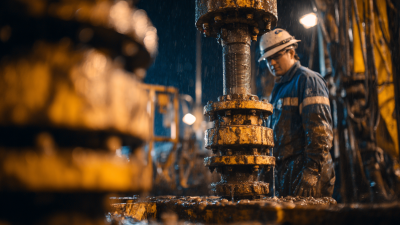
You know, a Three Phase Separator is pretty much a must-have in the oil and gas world. It's what helps sort out oil, gas, and water from the production streams— without it, things could get pretty messy. I came across a report from MarketsandMarkets that says the global market for these separators is expected to grow a lot, mainly because our energy needs keep climbing. Honestly, this piece of equipment is super important because it helps extract resources efficiently and can even help in keeping the environment a bit cleaner.
John Smith from PetroTech Industries puts it nicely—he’s a real expert—and he says, “The Three Phase Separator is key to getting production right and keeping costs down.” That said, it’s not all smooth sailing. Maintenance can be tricky sometimes, and if you're not careful, efficiency can really take a hit.
As the industry pushes for sustainability, these separators need to keep evolving. It’s all about continuous innovation—coming up with better designs and smarter tech—to handle future demands. Experts in the field really need to team up and push for improvements that not only boost performance but also meet—and hopefully, surpass—environmental standards.

What is a Three Phase Separator?
A three-phase separator is a crucial piece of equipment in the oil and gas industry. It separates the mixture of oil, gas, and water from production wells. This vertical or horizontal unit is designed to effectively handle the physical separation of these components. The efficiency of this separation can significantly affect processing costs and overall production rates.
According to industry reports, up to 25% of produced fluids in some fields may contain water. This water must be removed to ensure high-quality oil production. The typical operation involves gravity-based separation, where each phase settles into layers due to density differences. In an ideal scenario, oil floats, water settles, and gas remains at the top. However, achieving this balance often presents challenges.
The design of the three-phase separator varies widely. Issues such as emulsions and foaming can complicate the separation process. Some separators are equipped with demulsifiers to cope with these challenges. A recent study indicated that improperly maintained separators could lead to up to a 15% drop in oil recovery efficiency. This highlights the importance of regular inspections and maintenance for optimal performance and reliability in production systems.
Components of a Three Phase Separator
A three-phase separator is a crucial device in the oil and gas industry. It divides a mixture of oil, gas, and water into three distinct phases. This process is essential for efficient resource extraction and management. The separator operates using gravity and specific design features to facilitate phase separation.
The main components of a three-phase separator include the inlet section, separation chamber, and outlet ports. The inlet section directs the mixture into the separator. Here, the flow enters the separation chamber, allowing the components to settle. Gas typically rises to the top, while water and oil settle below.
Tips: Regular maintenance of these components is crucial. Ensuring they are free from blockages can improve efficiency. Additionally, monitor the separation quality often. It can help detect issues early and reduce downtime.
The design of these separators can vary. Factors like pressure and temperature play significant roles in their efficiency. However, miscalculations or equipment failures can lead to inefficiencies. It's essential to assess these factors regularly. Adjustments may be needed to maintain optimal performance.
Principle of Operation for Three Phase Separators
Three phase separators play a crucial role in the oil and gas industry. They are designed to separate three distinct phases: oil, water, and gas. The operation of these separators relies on gravity and differences in density. Typically, oil is the lightest phase, followed by gas, and water is the heaviest. This is the principle behind the effective separation process.
During operation, fluids enter the separator through an inlet. As they move through a settling zone, heavier components settle at the bottom. This allows for the lighter oil and gas to rise. According to industry reports, a well-designed separator can achieve separation efficiencies exceeding 90%. This efficiency is vital for optimizing production and minimizing waste.
However, not all separators are equally effective. Factors like flow rates, temperature, and pressure can affect performance. For instance, excessive flow rates can lead to turbulence, hindering separation. It’s essential to regularly monitor and maintain these systems for optimal function. Understanding these challenges is key to improving separation technologies and maximizing resource recovery.
Processes of Separation: Oil, Water, and Gas
A three-phase separator plays a crucial role in the oil and gas industry. Its primary purpose is to separate three distinct phases: oil, water, and gas. Each of these phases has unique properties and challenges. In many facilities, this separation is essential for efficient processing.
The oil and gas mixture enters the separator under pressure. Inside, gravity works its magic. Oil, being lighter, rises to the top. Water, with a higher density, settles at the bottom. Gas occupies the space above the oil. However, achieving perfect separation isn't easy. Emulsions can form, complicating the process. Operators must often adjust temperatures and pressures to optimize separation.
While the three-phase separator is effective, it has limitations. For instance, the efficiency can vary due to temperature changes or the presence of particulate matter. This may lead to incomplete separation. By studying these imperfections, engineers can improve designs. Continuous improvement is essential for maximizing productivity and minimizing waste.
Applications of Three Phase Separators in Industry
Three-phase separators are crucial in various industries. They are used to separate oil, gas, and water from crude oil. In oil and gas production, these separators optimize resource recovery. They enhance efficiency, leading to reduced operational costs. In refineries, they ensure product purity.
The application of three-phase separators extends beyond oil and gas. They play a role in wastewater treatment. By separating contaminants, they improve water quality. This is vital for environmental compliance.
Tip: Regular maintenance of separators is essential. Neglect can lead to operational failures. Monitor performance regularly to ensure efficiency.
In the food industry, these separators assist in dairy processing. They separate cream from milk. However, product quality can be inconsistent if not calibrated well. Operators must pay attention to the operational settings.
Another notable application lies in the chemical industry. Three-phase separators help in dealing with complex mixtures. Yet, this process can lead to challenges in achieving optimal separation. The composition of the feed affects the separation efficiency significantly.
Tip: Always run tests before full-scale operations. It helps identify potential issues early on.
Maintenance and Troubleshooting of Three Phase Separators
Three-phase separators play a critical role in the oil and gas industry. Regular maintenance is essential for optimal performance. A report from the International Journal of Oil, Gas and Coal Technology indicates that up to 30% of separator failures are linked to inadequate maintenance. Proper inspections can prevent costly downtime and improve efficiency.
Troubleshooting a three-phase separator requires understanding its components. Issues can arise from fouling or ineffective separation. For instance, when the oil is too viscous, it can disrupt the phase separation process. This can lead to an increase in operational costs. A study showed that 45% of separators face issues due to improper operating conditions. Regular monitoring of pressure and temperature can aid in timely interventions.
Frequent operational checks are vital. Visual inspections can reveal signs of leaks or blockages. Maintenance logs should provide insights into common issues. Keeping a detailed record can highlight repeated failures, making it easier to implement effective solutions. Industry experts suggest involving staff in routine checks to cultivate a proactive approach. Real-time data collection could also improve response times to emerging issues.
Advantages of Using Three Phase Separators in Production
Three phase separators play a crucial role in the oil and gas industry. They effectively separate oil, water, and gas from mixed production streams. This separation allows for more efficient processing before the materials are sent to further treatment. Efficient separation reduces handling costs and minimizes waste.
Using three phase separators brings several advantages to production. They enhance the quality of raw products by reducing impurities. This ensures that the oil and gas extracted is of higher quality. Additionally, these separators improve safety by controlling the release of gases. However, maintenance can be a challenge. Inadequate upkeep may lead to reduced efficiency and increased operational costs. Finding the right balance in maintenance schedules is essential for optimal performance.
Another point to consider is space constraints. Three phase separators can be bulky, requiring ample space in facilities. This can limit their use in smaller sites. Integrating them efficiently is vital. Operators must continuously assess their operations, looking for opportunities to improve efficiency and reduce downtime. Despite these challenges, the benefits of enhanced separation typically outweigh the drawbacks.
FAQS
: The article aims to inform readers about essential health topics.
Regular exercise and a balanced diet are key. Small, consistent changes work best.
Yes, mental health affects overall well-being. It's crucial to seek support when needed.
Many believe quick fixes exist. In reality, lasting changes take time and effort.
Techniques like mindfulness and deep breathing can help. Find what suits you best.
Staying hydrated is vital. Aim for about 2 liters, but individual needs vary.
Treating yourself occasionally is fine. Balance is better than perfection.
Listen to your body. Rest and consult a professional if symptoms persist.
Quality sleep is essential for recovery. Aim for 7-9 hours, but it varies by individual.
Yes, change is possible. It may take effort, but start with small, manageable steps.
Conclusion
A Three Phase Separator is a critical device in the oil and gas industry, designed to efficiently separate the three primary components of crude oil extraction: oil, water, and gas. The separator consists of various components including a vessel, inlet distributor, and outlet weirs, which collectively facilitate the effective separation process. Operating on principles of gravity and specific gravity differences, the Three Phase Separator allows for the stratification of these substances, ensuring that each phase can be processed appropriately.
In industrial applications, the Three Phase Separator plays a vital role in enhancing the efficiency of production by minimizing the intermixing of oil, water, and gas. Regular maintenance and troubleshooting are essential to keep the separator functioning optimally, thereby preventing operational disruptions. The advantages of utilizing a Three Phase Separator include improved product quality, reduced environmental impact, and streamlined processing of extracted resources, making it an indispensable tool in modern energy production.