
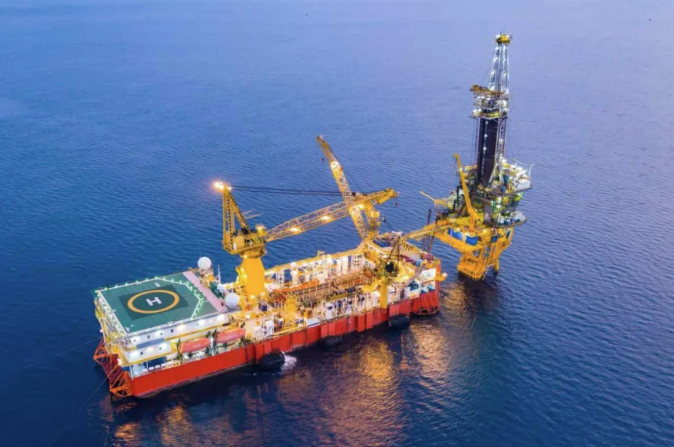
In recent years, the global oil industry has faced multiple challenges: the pressure of energy transition, geopolitical risks, capital discipline requirements, and oil price volatility. However, in early 2026, two major projects emerged simultaneously—Shell’s project in Nigeria and TotalEnergies and ConocoPhillips’ project in Libya—each with a potential investment scale of up to $20 billion.
Behind these two major projects lies not only the strategic repositioning of international oil giants such as Shell, ExxonMobil, TotalEnergies, and ConocoPhillips in the African continent, but also a reflection of Africa’s strategic value as a new frontier for global oil and gas supply.
01. Two $20 Billion Mega-Deals
In Nigeria, the announcement by Shell’s CEO Wael Sawan of a potential $20 billion investment in the development of the Bonga South West oil field sent ripples through the global energy market.
Meanwhile, in Libya, an agreement signed by TotalEnergies and ConocoPhillips is set to more than double the daily production of the Waha Oil Joint Venture, from approximately 350,000 barrels per day to 850,000 barrels per day. Under this agreement, the investment over 25 years could reach $20 billion.
Shell’s Bonga South West Project in Nigeria
Following a meeting with Nigerian President Bola Tinubu, Shell CEO Wael Sawan publicly stated that the company, together with its partners, is advancing the Bonga South West (BSW) project. Should it reach the Final Investment Decision (FID) stage, the total investment could amount to $20 billion. Located in the deepwater Niger Delta of Nigeria, the project is estimated to hold reserves of 820 million barrels of crude oil, with a peak production capacity of 220,000 barrels per day. Approximately $10 billion of the investment is allocated to capital expenditure, while the remainder covers operational and other costs, all of which will be directly injected into the Nigerian economy.
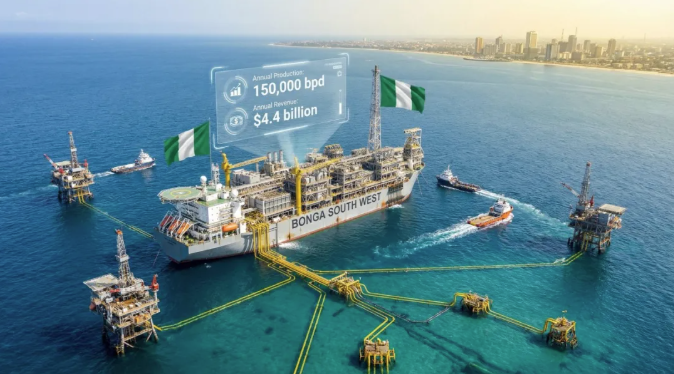
Bonga South West is Shell’s flagship deepwater project in Nigeria, with partners including ExxonMobil, TotalEnergies, Eni, and the Nigerian National Petroleum Corporation (NNPC). Shell holds the largest stake. The project was long stalled due to regulatory, cost, and geopolitical risks. However, in recent years, the Nigerian government has introduced investment incentives such as tax benefits and streamlined approval processes, providing Shell with a “clear investment pathway.” Sawan stated that the company will initiate pre-FID work in the coming months and aims to reach a final investment decision by 2027.
This project holds significant importance for Shell. In recent years, the company has accelerated its withdrawal from Nigeria’s onshore operations, which are emission-intensive and frequently embroiled in environmental disputes, shifting its focus instead to deepwater assets to align with its “net-zero emissions by 2050″ target. In 2024 alone, Shell paid $5.34 billion in taxes and other fees to Nigeria—more than to any other country—underscoring its long-term commitment to this market.
TotalEnergies and ConocoPhillips’ Waha Oil Project in Libya
The Libyan government has signed a 25-year agreement with TotalEnergies and ConocoPhillips to develop oil fields through the Waha Oil Company joint venture, with total investment expected to exceed $20 billion. The agreement aims to increase the production capacity of the Waha block from approximately 350,000 barrels per day to 850,000 barrels per day, involving the development of four new oil fields and a comprehensive exploration plan across 19 concession areas. Libyan officials estimate that the project will generate over $376 billion in revenue for the country over its lifespan.
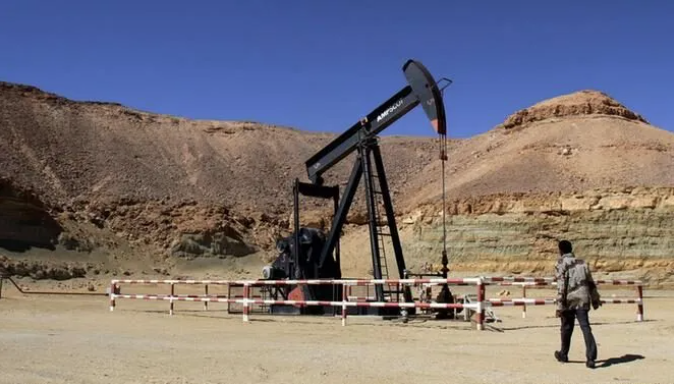
Libya was once Africa’s largest oil producer, with output nearing Saudi Arabian levels before the 2011 civil war. Post-war production remained persistently low, yet in 2025, its average output reached 1.37 million barrels per day—the highest level in 12 years. This agreement marks the return of international oil giants to Libya, leveraging its low-cost, high-quality crude reserves to supplement global supply.
Moreover, according to Walid Ellafi, Libya’s Minister of State for Communication and Political Affairs, in addition to the cooperation agreement signed with TotalEnergies and ConocoPhillips, several other agreements were also concluded. These include an agreement with Chevron on investment opportunities, particularly regarding the exploration prospects in the Sirte Basin and the redevelopment of mature oil fields, as well as an energy logistics and exploration agreement with Egypt. Despite lingering political uncertainties, Libya’s investor-friendly reforms and immense potential have attracted global attention.
Both projects involve investments of approximately $20 billion, underscoring that Africa has become one of the key regions where oil giants are still willing to commit substantial capital even in an era of fiscal discipline.
02. Why Africa
At a time when oil giants are increasingly emphasizing capital expenditure discipline, why have two $20 billion mega-deals landed in Africa one after another? The reasons are closely tied to Africa’s substantial oil and gas reserves, cost advantages, and the ongoing improvements in its market and policy environment.
Oil and Gas Reserves and Low-Cost Advantages
Africa possesses some of the world’s richest untapped oil and gas resources. According to 2025 data, Libya holds proven reserves of approximately 48.3–50 billion barrels, ranking first in Africa; Nigeria follows with around 37 billion barrels, placing second. Countries such as Algeria, Egypt, and Angola also rank among the top. Africa as a whole accounts for about 7–8% of global proven reserves, yet its exploration levels remain relatively low, with many basins still in the “frontier” stage.
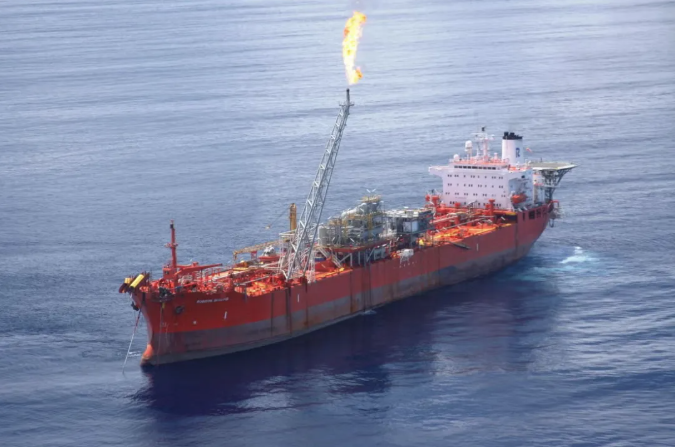
Libyan crude oil production costs are exceptionally low, with many oil fields operating at less than $20 per barrel, well below the global average. This gives Libyan projects a high rate of return amid volatile oil prices. Although deepwater development in Nigeria is costlier, it offers high-quality crude, relatively mature infrastructure, and avoids the risks of onshore oil theft and community conflicts.
Global oil supply faces uncertainties. OPEC+ production cuts, restricted Russian exports, geopolitical risks in the Middle East, and the incomplete replacement of fossil fuels by the energy transition mean that new production capacity will be needed over the next 10–15 years. Institutions such as the International Energy Agency (IEA) predict that peak oil demand may be delayed until the mid-2030s, positioning Africa’s low-cost production capacity as a critical supplement.
Improved Market and Policy Environment
During 2025–2026, oil prices remained within a relatively reasonable range (USD 60–80 per barrel), yet global inventories increased and the market trended toward oversupply. Oil majors have emphasized “capital discipline,” prioritizing projects with high returns and manageable risks. African countries have responded with incentives: Nigeria’s “investment-linked” tax benefits and Libya’s long-term concession agreements and exploration commitments have lowered entry barriers.
Additionally, international oil giants are shifting from high-risk onshore assets to deepwater projects and the redevelopment of mature oil fields. Shell has moved away from onshore operations in Nigeria to focus on deepwater resources, while the Libya project targets production increases in mature fields. These adjustments align with the strategy of “streamlining the portfolio” while meeting shareholder demands for returns.
03. Technical Advantages Driving Oil Majors’ Choice of Africa
Translating abundant oil and gas reserves into tangible production and revenue inevitably requires technological support. Behind oil giants’ multi-billion-dollar bets on Africa lies not only their capital strength but also a choice deeply aligned with their technical capabilities.
Advantages of Deepwater Development Technology in Nigeria
Nigeria’s Bonga South West is located in deepwater, with depths exceeding 1,000 meters, necessitating advanced deepwater technologies. Shell introduced technologies such as Floating Production, Storage, and Offloading (FPSO) vessels, subsea production systems, and remote control capabilities as early as 2005 with the main Bonga project. These technologies will be further optimized for Bonga South West.
The FPSO serves as a “floating factory” for deepwater development, capable of handling crude oil separation, storage, and export. Shell plans to tender for a next-generation FPSO for BSW, supporting higher production capacity and extended operational life. Subsea technologies include multiphase pumps, long-distance subsea pipelines, and fully integrated subsea production systems, enabling efficient operations under extreme conditions while reducing the number of platforms and overall costs.
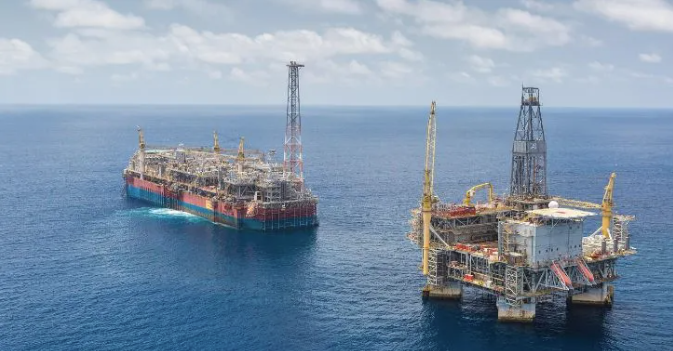
Shell has accumulated over two decades of experience in Nigeria’s deepwater sector, and partners such as ExxonMobil and TotalEnergies possess similar capabilities. This technological barrier allows international giants to dominate Africa’s deepwater regions, making it difficult for emerging players to catch up in the short term. Deepwater projects, with their long lifecycles and stable production profiles, are well-suited to the current capital-disciplined environment.
Advantages of Enhanced Oil Recovery (EOR) Technology in Libya
The Waha project in Libya focuses on mature oil fields, employing Enhanced Oil Recovery (EOR) technologies to boost recovery rates. Techniques such as water flooding, gas injection (CO₂ or nitrogen), and chemical flooding can increase recovery rates from 30% to over 50%. Waha Oil Company has long utilized EOR methods, and international partners bring more advanced technologies, including horizontal drilling, multi-stage fracturing, and intelligent injection-production monitoring.
Libya’s oil fields benefit from favorable geological conditions and high reservoir permeability, making them well-suited for EOR. TotalEnergies and ConocoPhillips have extensive EOR experience in North Africa, enabling rapid production enhancements. The project also includes exploration of new blocks, integrating 3D seismic surveys, optimized drilling, and digital twin technologies to mitigate risks.
Overall, the technological advantages of African projects lie in: the application of mature technologies by international giants to high-potential, underexplored regions, yielding high returns; the high technical barriers of deepwater and EOR, creating competitive moats; and the further cost reductions achieved through digitization and automation.
Post time: Feb-05-2026