
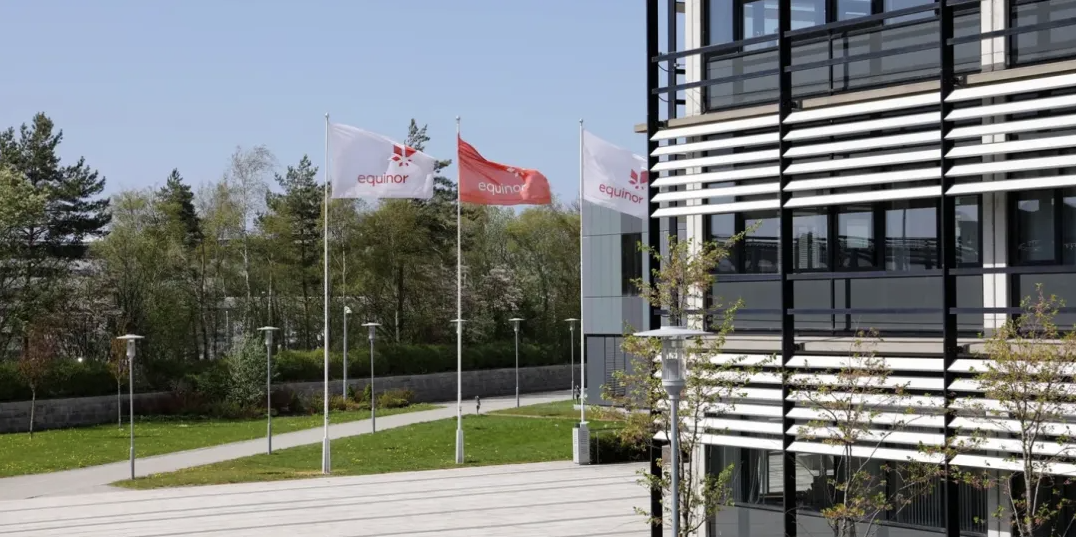
Recently, sources revealed that Equinor, Norway’s largest oil and gas producer, is planning to sell stakes in multiple offshore oil fields in Angola. The company has hired financial advisors to seek potential buyers while intending to retain a minority stake in one of the fields.
Although an Equinor spokesperson declined to comment on the rumors and emphasized that Angola remains a core country for the company with optimistic long-term development prospects, this asset sale plan, combined with Equinor’s recent efforts to optimize its international asset portfolio and increase production in Brazil and the United States, outlines a clear path for the restructuring of its global oil and gas footprint.
From the perspective of the oil industry, this move is not only a strategic adjustment by Equinor to respond to industry trends and improve asset efficiency but also reflects profound shifts in the global oil and gas market landscape. At the same time, it has far-reaching implications for the development of Angola’s oil and gas industry.
01.Parallel Strategies of Contraction and Focus: The Key Drivers Behind Equinor’s Sale of Angola Assets
The proposed sale of Equinor’s offshore assets in Angola is not an isolated move but rather a continuation of the company’s ongoing strategy to optimize its international portfolio and concentrate on high-potential markets. This approach is driven by a combination of factors, including industry trends, asset performance, and market outlook.
Firstly, the need for portfolio optimization is evident, with a push to accelerate the divestment of underperforming assets. In recent years, Equinor has been streamlining and focusing its international presence. This included finalizing agreements in 2024 to exit its operations in Azerbaijan and Nigeria, as well as the recent completion of its divestment from onshore assets in Argentina. The planned sale of its offshore interests in Angola is a direct extension of this strategic realignment.
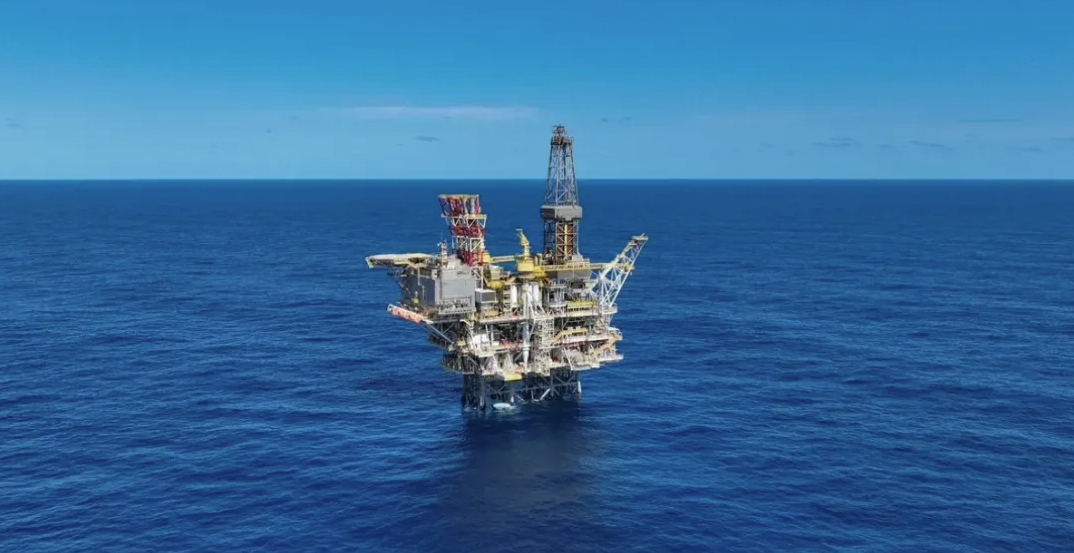
From an asset quality perspective, Equinor participates in the operation of three offshore production blocks on the Angolan continental shelf, with an equity production of approximately 110,000 barrels of oil equivalent per day in 2024—a relatively small share in its global portfolio. Moreover, many of Angola’s oil fields are in the mid-to-late stages of development, characterized by high natural decline rates, rising maintenance costs, and continuously compressed profit margins. Against the backdrop of intensifying competition in the global energy market, Equinor’s decision to divest these low-return assets and channel resources into high-potential markets is a rational choice to enhance asset efficiency and safeguard shareholder interests.
Secondly, the investment appeal of Angola’s oil and gas market has been steadily declining. As the second-largest oil producer in sub-Saharan Africa, Angola has long relied on its petroleum industry. However, in recent years, a lack of sufficient investment has led to a persistent drop in oil output. In 2023, the country withdrew from OPEC to break free from production quota restrictions and introduced incentive policies to attract foreign investment. Nevertheless, cumbersome approval processes, contractual uncertainties, stringent localization requirements, coupled with international capital’s cautious stance toward deepwater projects amid the global energy transition, have diminished its attractiveness to international oil companies.
For Equinor, the anticipated returns on investment in the Angolan market have lowered. Scaling back its presence and selling off assets have thus become an inevitable choice to mitigate risks and optimize resource allocation.
Thirdly, the significant growth potential in core markets such as Brazil and the U.S. makes strategic focus imperative. In contrast to Angola’s subdued market, oil and gas prospects in regions like Brazil and the U.S. are robust, becoming focal points for Equinor’s growth. Philippe Mathieu, Equinor’s senior vice president for Exploration & Production International, recently stated that the company will concentrate on oil and gas fields in Brazil, the U.S. Gulf of Mexico, the U.S. onshore, and the UK, targeting an increase in international production from approximately 700,000 barrels per day in 2025 to 900,000 barrels per day by 2030. Brazil boasts abundant deepwater resources, while the U.S. offers mature technology and industrial chains in shale oil and offshore Gulf operations, promising stable growth and high returns for Equinor. The planned sale of Angolan assets is a concrete manifestation of this strategic shift.
Notably, Equinor intends to retain a minority stake in one Angolan oil field, a move that reflects strategic flexibility—allowing it to keep a foothold in potential opportunities while mitigating market risks. Meanwhile, its official positive statements regarding Angola serve to reassure the market, avoid friction with local authorities, and preserve room for future collaboration.
02.Reshaping the Landscape, Far-reaching Implications: The Industry Ripple Effects and Future Outlook of Asset Sales
Equinor’s planned sale of its offshore assets in Angola represents not only a strategic adjustment for the company itself but will also have multi-dimensional impacts on Angola’s oil and gas industry, the global market landscape, and broader sectoral trends.
For Angola, this move intensifies the pressure on its oil and gas sector. The country is making concerted efforts to curb production declines, targeting output to remain above 1 million barrels per day. The withdrawal of foreign capital will affect investment levels and delay production recovery. However, a silver lining exists: as international majors scale back their African assets, local African companies and emerging capital are accelerating their takeover of these opportunities. Angolan domestic firms can leverage their local expertise to revitalize mature assets, while government incentive policies may attract other international operators to step in, potentially injecting new vitality into the industry.
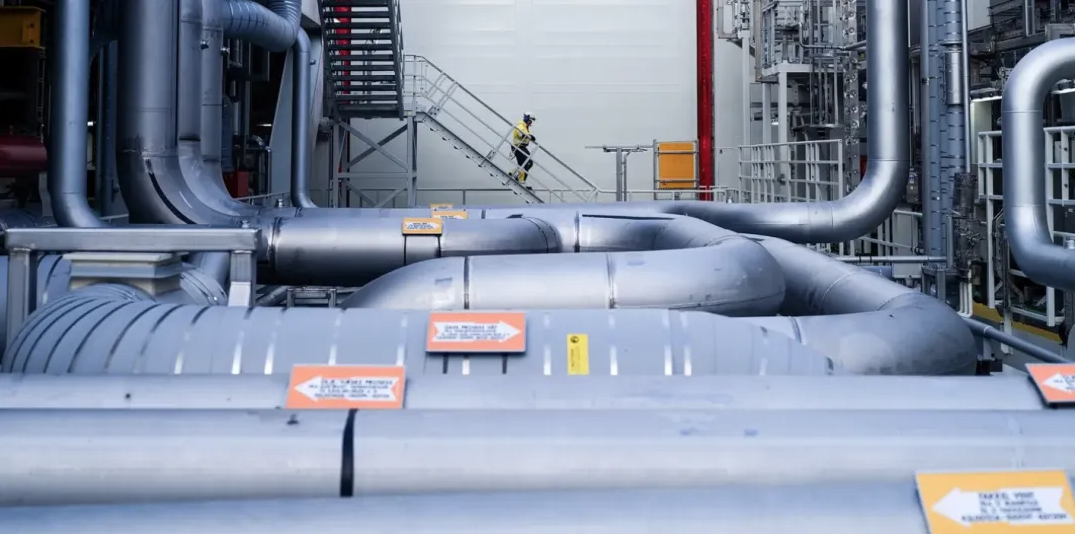
For the global oil and gas market, this development reflects a shift in the investment logic of international oil companies—from “broadly casting a wide net” to “focusing on core regions.” Against the backdrop of the energy transition, IOCs are under dual pressure to pursue low-carbon initiatives while maintaining production growth. Equinor is not only scaling back non-core assets but also plans to cut renewable energy investments by 50% over the next two years to concentrate on oil and gas production. It projects over 10% growth in oil and gas output between 2024 and 2027, aiming for a daily production volume of 2.2 million barrels of oil equivalent by 2030. This strategic approach could trigger a wave of similar moves across the industry, driving the integration of global oil and gas assets, concentrating resources in high-potential regions and efficient assets, and reshaping the competitive landscape.
For Equinor itself, the success of these asset sales hinges on the smooth completion of the transactions and the effective redeployment of the proceeds into the U.S. and Brazilian markets. The company’s positioning in the U.S. and Brazil has already shown results. If it achieves its 2030 production targets, its global competitiveness will be enhanced. However, challenges remain: competition is fierce in both the U.S. and Brazil, with major players like ExxonMobil also increasing their investments; oil price volatility will impact returns; and amidst the energy transition, balancing oil and gas production with low-carbon development to meet net-zero goals remains a critical task.
Looking ahead, while Equinor’s asset sale plan is still under discussion and subject to uncertainty, its strategic direction of focusing on the U.S. and Brazil while optimizing its global portfolio is set. Angola, for its part, needs to improve its investment climate and strengthen policy support to attract foreign capital and curb production declines. For the global oil industry as a whole, the portfolio adjustments of IOCs will lead to increased market concentration and intensified competition in high-potential regions. At the same time, oil and gas companies must balance profitability with low-carbon commitments, steering the industry toward greater efficiency and sustainability.
Post time: Mar-19-2026