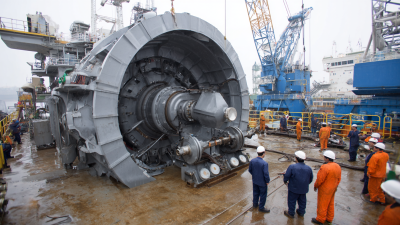
Hey, pretty exciting news for 2026—there’s a real surge in demand for better separation tech out there. Among all the options, the Multi-chamber hydrocyclone is definitely catching the eye of folks around the world. I mean, Dr. John Miller, who’s pretty much a guru in this field, even said, "The Multi-chamber hydrocyclone really changes the game when it comes to liquid-solid separation." It’s not just hype—this design actually outperforms the older models, offering better results and, surprisingly, cutting down operational costs while letting companies process more material at once. Companies like HydroTech Innovations are already using it to supercharge their mining operations. That said, it’s not a one-size-fits-all deal. You gotta consider what you’re working with—the type of material, the specific application, all that—to get the best results.
Of course, not all Multi-chamber hydrocyclones are created equal. Some might not hold up so well in the toughest conditions, so it’s super important to do your homework before jumping in. Different manufacturers vary a lot when it comes to durability and maintenance needs, so picking the right partner for your project is a big deal. If you do your research and pick wisely, the future looks pretty bright for these devices—2026 and beyond seems like a promising time for this tech.
Multi-chamber hydrocyclones are essential in various industries. They separate particles from liquids through centrifugal force. This technology helps in mineral processing, wastewater treatment, and food production. Recent studies indicate that these systems improve efficiency by up to 30% compared to traditional designs.
The market for multi-chamber hydrocyclones is expanding globally. A report from the Industrial Equipment Association highlighted a projected growth rate of 7% annually through 2026. Industries are increasingly adopting this technology for its cost-effectiveness. Accurate separation ensures higher quality outputs in processes like gold recovery and plastic recycling.
However, not all hydrocyclones are created equal. Operational issues can arise due to improper design or material choice. Maintenance requirements might also vary, affecting overall reliability. Buyers must evaluate specifications carefully. Choosing the right model demands a deep understanding of application needs. Data from the Hydrocyclone Research Institute suggests that user feedback is pivotal in selecting optimal designs. Many products fall short and require further examination.
When selecting a multi-chamber hydrocyclone, buyers should focus on key features that enhance performance. The efficiency of solid-liquid separation is critical. Reports indicate that the best hydrocyclones can achieve a separation efficiency exceeding 90%. This is crucial in industries like mining and wastewater treatment, where purity is essential.
Another important aspect is the wear resistance of the materials used. Hydrocyclones often operate in abrasive conditions. Using high-quality materials increases their lifespan and reliability. Industry studies show that hydrocyclones with advanced ceramic linings experience less wear, boosting maintenance efficiency by up to 30%. This detail makes a significant difference in the overall operational cost.
Adjustable features can further improve performance. Customizing the inlet design or outlet size influences the flow rate and particle size separation. This adaptability can enhance the hydrocyclone’s effectiveness for specific applications. However, not every design allows for these adjustments, leading to suboptimal performance in certain scenarios. Understanding these nuances helps buyers make informed decisions.
The multi-chamber hydrocyclone market is evolving rapidly. As we approach 2026, buyers must understand the key players in this sector. Top manufacturers are focusing on efficiency and technology integration. They develop hydrocyclones that handle a diverse range of materials. Quality and reliability play a crucial role in the selection process.
Tips: Evaluate your needs thoroughly. Choose a manufacturer with a strong track record. Don't ignore customer reviews, as they provide valuable insights.
Innovative designs are transforming the industry. More manufacturers are investing in R&D to enhance product performance. It's essential to stay updated with trends and innovations. This knowledge can help buyers make informed decisions.
Tips: Attend industry trade shows to discover new technologies. Networking with experts is also beneficial. Learning from others’ experiences can prevent costly mistakes.
The comparative analysis of multi-chamber hydrocyclones highlights their significance in various industrial applications. These devices effectively separate solid particles from liquids, improving operational efficiency. Different designs are utilized, each serving specific needs based on flow rates and particle sizes.
In recent studies, efficiency varied among different chamber configurations. Some designs excelled in finer particle separation, while others performed better with larger solids. The manufacturing material also plays a crucial role in durability and maintenance. Factors such as wear resistance and chemical compatibility can influence a hydrocyclone's longevity and performance.
Challenges remain in achieving optimal separation efficiency. Some users reported issues with clogging and pressure drops. Continuous monitoring of the operation is essential to mitigate these problems. Adjusting the feed pressure can enhance overall performance. Ultimately, understanding these variables is key for global buyers seeking the best multi-chamber hydrocyclones for their specific needs in 2026.
The future of hydrocyclone technology is evolving rapidly. Multi-chamber hydrocyclones are gaining attention for their efficiency. They optimize separation processes and minimize energy consumption. According to recent industry reports, their efficiency can exceed 90% in separating particles as small as 10 microns. This is significant for mining and water treatment industries.
Innovations such as enhanced materials and design improvements are essential. These advancements directly impact durability and performance. Researchers predict that these systems will not only reduce wear but also manage higher flow rates effectively. Enhanced computational fluid dynamics (CFD) modeling allows for detailed simulations, leading to improved designs.
Tips: Consider implementing regular maintenance checks. This can prevent potential downtimes. Operators should also be trained in the latest technologies. Understanding hydrocyclone principles is crucial for optimal performance. Always review operating parameters to ensure efficiency remains high.
The multi-chamber hydrocyclone market is poised for significant shifts by 2026. Buyers are faced with both challenges and opportunities as technology evolves. According to recent industry reports, the demand for efficient separation solutions is projected to increase by 15% annually. This growing need reflects the rising global focus on resource efficiency and sustainability.
However, buyers must navigate issues like fluctuating raw material costs and evolving regulations. The complexity of selecting the right technology adds another layer. Many buyers may find it difficult to evaluate different systems effectively. In such a landscape, understanding your specific application is crucial. This can lead to better purchasing decisions and enhanced performance.
**Tip:** Conduct thorough market research before making decisions. Gather insights from multiple reports and industry experts. This can provide a clearer picture of available technologies.
Opportunities exist for innovative solutions in this market. Emerging materials and design advancements can enhance performance and reduce operational costs. However, buyers must remain vigilant. A thorough evaluation of long-term reliability and maintenance needs is essential.
**Tip:** Network with industry professionals to gain insights into best practices. Learning from others can highlight potential pitfalls to avoid in your purchasing journey.
| Dimension | Value | Market Challenge | Opportunity |
|---|---|---|---|
| Total Market Size (USD) | $200 million | Regulatory Compliance | Growing Demand in Mining Sector |
| Forecast Growth Rate | 5% CAGR | Technological Advancements | Expansion in Emerging Markets |
| Market Segmentation: Mining | 40% | Competitor Pricing Strategies | Sustainability Initiatives |
| Market Segmentation: Oil & Gas | 25% | Supply Chain Disruptions | Technological Integration |
| Market Segmentation: Water Treatment | 20% | Limited Expertise | Innovative Solutions Development |
When selecting a hydrocyclone, understanding specific needs is crucial. Multi-chamber hydrocyclones offer unique advantages. They are designed for efficient separation, benefiting various industries, such as mining and wastewater treatment. Before making a purchase, consider the application and material being processed.
Tips: Assess the particle size and density of materials you will handle. This helps determine the size and type of hydrocyclone required. Recognizing your operational goals is vital. If your processes involve fluctuating feed conditions, a customizable design may be beneficial.
Additionally, evaluate operational efficiency and maintenance needs. Choose a hydrocyclone that balances performance with ease of upkeep. It's essential to analyze the operating pressure and volumetric flow rates, as these factors significantly influence performance.
In conclusion, careful consideration of your specific needs ensures the selection of the best multi-chamber hydrocyclone. A detailed assessment of operational criteria can enhance separation efficiency.
: They are used to separate particles from liquids, particularly in mineral processing and wastewater treatment.
Recent studies show these systems can improve efficiency by up to 30% over traditional designs.
The market is projected to grow at 7% annually through 2026.
Not all hydrocyclones are equal; improper design can lead to operational issues and affect reliability.
Innovations may enhance durability and efficiency, allowing for better performance and reduced energy consumption.
Buyers face fluctuating raw material costs and the complexity of selecting appropriate technologies.
Understanding hydrocyclone principles is crucial for maintaining high efficiency and preventing downtimes.
Conduct thorough market research and gather insights to understand available technologies better.
Regular checks can prevent potential downtimes and ensure systems operate efficiently.
Buyers must evaluate long-term reliability and maintenance needs to avoid unexpected issues.
The article titled "Best Multi-chamber Hydrocyclone for Global Buyers in 2026?" provides a comprehensive overview of multi-chamber hydrocyclones and their various applications across different industries. It highlights the key features that buyers should consider when selecting a hydrocyclone, such as efficiency, durability, and the ability to handle various materials. An analysis of the current market landscape is presented, showcasing the leading manufacturers and the competitive dynamics shaping the market.
Additionally, the article discusses future trends and innovations in hydrocyclone technology, emphasizing the potential for enhanced performance and sustainability. It outlines the market challenges and opportunities expected in 2026, guiding buyers on how to choose the most suitable multi-chamber hydrocyclone for their specific needs. Overall, this article serves as a valuable resource for global buyers looking to make informed decisions in the evolving landscape of hydrocyclone technology.