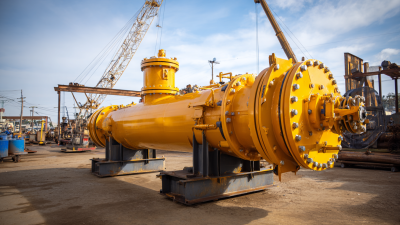
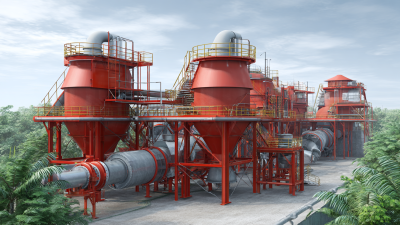
In the constantly changing world of the gas industry, making sure that produced condensate is properly desanded has become a pretty big deal. Operators are really eager to boost production without constantly facing downtime, but dealing with solid stuff like sand and other particles in condensate isn’t something they can just ignore. If those particles build up, it can cause serious damage to equipment, leading to costly repairs or even stopping operations altogether.
China’s actually leading the charge when it comes to coming up with new desanding solutions. Companies like Sinopec and CNPC are working on some pretty cutting-edge tech to handle this issue more effectively. Their goal? To get rid of the sand while keeping the quality of the condensate intact. That said, rolling out these new techs usually means companies need to carefully weigh their options—things like costs, how well they work, and even environmental impacts come into play.
Even with all these advancements, there are still hurdles to overcome. Not every approach works perfectly in every situation, so it’s clear that custom solutions are often the way to go. That’s why it’s so important for companies to revisit and evaluate their current practices regularly. Doing so helps them make smarter decisions and run things a bit smoother. The hunt for the best desanding methods is still ongoing, and it’ll take continuous innovation and teamwork across the industry to really make a difference.

China Gas Field Overview and Production Condensate Characteristics
China's gas fields are rich sources of produced condensate. This condensate contains valuable hydrocarbons. However, it also brings challenges with desanding processes. The characteristics of produced condensates play a critical role in determining the best desanding solutions.
In China, the average water content in produced condensate can reach up to 30%. This high level impacts the separation efficiency. Associated sand and solid particles often accompany produced fluids. According to recent industry reports, over 15% of production losses are attributed to inadequate separation techniques. This underlines the need for reliable desanding solutions.
Understanding the composition of condensate is essential. For instance, variations can occur widely between different gas fields. Some condensates are heavier, while others can be lighter. This variability challenges the industry to adopt tailored approaches. Technicians often struggle to optimize desanding methods due to fluctuating pollutant levels. These challenges highlight the evolving landscape in the gas sector.
Desanding Challenges in Gas Production: Impacts on Condensate Quality
Desanding is crucial in gas production, particularly when dealing with produced condensate. This process removes solid particulates from gas streams, ensuring cleaner output. However, desanding can be challenging. Contaminants can affect the quality of the condensate, leading to significant operational issues. High sand content can harm equipment and reduce efficiency.
Gas fields may encounter various desanding issues. These include fluctuating sand concentration and inconsistent particle sizes. High sand levels can cause corrosion and blockage in pipelines. Operators often face difficulties managing these risks. A consistent desanding strategy is essential. Otherwise, it can lead to costly downtime and maintenance.
Addressing desanding challenges requires innovative solutions. Effective monitoring techniques can identify sand presence and concentration. This allows for timely responses to prevent damage. Operators need to prioritize quality and reliability. Balancing production rates with condensate quality is critical. Each gas field presents unique challenges that require tailored solutions for success.
Current Technologies for Desanding in Gas Production in China
In recent years, desanding technologies in China's gas fields have evolved significantly. With natural gas production increasing, the challenge of produced condensate desanding has garnered attention. The current methods largely include mechanical separation, hydrocyclones, and filtration systems. According to a report from the China National Petroleum Corporation, over 50% of gas production sites experience sand-related issues that can harm production efficiency.
Hydrocyclones stand out in efficiency. They utilize centrifugal forces to separate sand from condensate. However, maintaining consistent performance can be challenging, especially in fluctuating flow rates. Reports indicate that poorly calibrated systems can lead to inefficiencies of up to 30% in sand removal. This highlights the need for careful monitoring and adjustment in operational parameters.
Tips: Regular maintenance of desanding equipment is essential. A monthly check can prevent unexpected downtime. Additionally, operators should consider utilizing real-time monitoring systems to optimize performance and minimize sand-related issues. This proactive approach can enhance overall gas production reliability. Moreover, addressing the challenges with sedimentation in condensate tanks can further improve fluid quality, though it often requires significant upfront investment in technology and training.
Efficiency of Mechanical vs. Hydrocyclone Desanding Solutions
When addressing desanding solutions for produced condensate in gas fields, the choice between mechanical and hydrocyclone systems is crucial. Mechanical solutions often involve rotating components that separate solids from liquids. They can be efficient but may require high maintenance. Over time, wear and tear can lead to performance drops. Regular checks and part replacements are essential to maintain effectiveness.
On the other hand, hydrocyclones rely on centrifugal force for separation. These systems can be very effective at removing particulates. They usually have lower operational costs and require less maintenance. However, the performance can be affected by variations in feed rates and the properties of the liquids and solids involved. Additionally, hydrocyclones might not perform optimally under all conditions, which requires careful assessment of the gas field characteristics.
Both methods have their strengths and weaknesses. It's essential to evaluate the specific needs of the operation. Consider factors like cost, efficiency, and maintenance. Conducting trials and detailed analyses can help in selecting the best solution. Ultimately, understanding the limitations of each technology can lead to better decision-making in optimizing desanding processes.
Recent Advances in Filtration and Separation Technologies
Recent advancements in filtration and separation technologies have significantly improved desanding solutions in gas fields. These innovations focus on efficiently removing sand from produced condensate. Sand contamination can lead to equipment wear and increased operational costs. Therefore, finding effective filtration methods is essential for maintaining operational efficiency.
One notable development is the use of advanced membrane filtration systems. These systems offer higher selectivity and lower maintenance requirements compared to traditional methods. By utilizing nanotechnology, new membranes can achieve impressive filtration rates. However, the long-term reliability of these systems still needs thorough evaluation. Some users report initial success, but long-term filter longevity remains a concern.
Another area of progress is the optimization of cyclone separators. These devices use centrifugal force to separate particulates from liquids. Recent designs have enhanced the efficiency of these separators, but they may not be suitable for every application. Operators need to assess specific conditions in their gas fields. Integrating these technologies with existing infrastructure presents challenges but also opportunities for improved productivity.
Case Studies: Successful Desanding Implementation in Chinese Gas Fields
Desanding in gas fields is critical for maintaining production efficiency. In China, several gas fields have implemented successful desanding solutions. These efforts have improved condensate quality and reduced pipeline blockages. For example, a case study in the Changqing Gas Field showed a 30% increase in operational efficiency after introducing advanced desanding techniques.
Field data indicates that desanding systems can reduce the production of non-hydrocarbons by over 60%. The majority of condensate produced contains sand and solid particles, compromising the integrity of equipment. A thorough evaluation of desanding methods is essential. While many approaches exist, not all deliver the expected outcomes. Some systems fell short due to inadequate sizing or poor integration.
Another interesting case is from the Ordos Basin. Here, the introduction of cyclonic separators led to a marked decrease in maintenance costs by 40%. However, engineers faced challenges in adapting the technology to local conditions. Continuous monitoring and adjustments were necessary to optimize performance. The experience highlights the need for robust, flexible solutions tailored to specific environments.
Future Trends in Desanding Solutions for Gas Field Production in China
As China's gas production industry continues to evolve, desanding solutions are becoming increasingly important. Recent reports indicate that over 25% of produced condensate in gas fields contains significant sand content. This poses challenges for operational efficiency and equipment longevity. Effective desanding methods can mitigate these issues, improving the purity of the condensate and enhancing process flow.
Innovative technologies are emerging to address the need for reliable desanding solutions. Hydrocyclones and pressure filters are among the top contenders. However, these technologies are not without limitations. Hydrocyclones can struggle with variable sand sizes, while pressure filters may require frequent maintenance. Understanding these weaknesses is crucial for companies looking to optimize their production processes.
As trends shift towards automation and smart technologies, the integration of real-time monitoring systems is expected. These systems can offer insights into sand levels in produced condensate. Such advancements may help operators make informed decisions, achieving better resource management. However, the implementation of these technologies can be costly. Balancing investment with operational efficiency will be a critical focus area for the industry in the coming years.
China Best Desanding Solutions for Produced Condensate in Gas Field
| Solution Type |
Efficiency (%) |
Cost (USD per m³) |
Maintenance Frequency (months) |
Expected Lifespan (years) |
| Centrifugal Separator |
95% |
300 |
12 |
15 |
| Hydrocyclone |
90% |
250 |
6 |
10 |
| Filtration Systems |
85% |
200 |
3 |
5 |
| Gravity Settlers |
75% |
150 |
18 |
20 |
FAQS
: Produced condensate is a mixture of hydrocarbons extracted from gas fields. It often contains water and sand.
Desanding ensures production efficiency and prevents equipment damage from sand and solid particles in the condensate.
Technicians struggle with varying pollutant levels. This makes it hard to optimize desanding methods effectively.
High water content, up to 30%, reduces separation efficiency. This can lead to significant production losses.
Successful desanding can increase operational efficiency by 30% and decrease maintenance costs by 40%.
Hydrocyclones struggle with different sand sizes, while pressure filters often need frequent maintenance.
These systems provide insights into sand levels, enabling informed decisions for better resource management.
No, some desanding solutions may not deliver expected results due to sizing issues or poor integration.
Over 25% of produced condensate may contain significant amounts of sand, impacting operational efficiency.
Different gas fields produce varying condensate characteristics, necessitating customized approaches for effective desanding.
Conclusion
The article "China Best Desanding Solutions for Produced Condensate in Gas Field" explores the essential processes involved in managing produced condensate in Chinese gas fields. It begins with an overview of the gas field landscape and the unique characteristics of condensates produced, before delving into the desanding challenges that can adversely affect condensate quality. The discussion highlights various current technologies employed for desanding, including an analysis of mechanical methods versus hydrocyclones, and recent advancements in filtration and separation technologies.
In addition to a review of successful case studies demonstrating effective desanding of produced condensate in gas fields, the article outlines future trends that may shape desanding solutions in the industry. It emphasizes the importance of efficient desanding practices to ensure high-quality output and enhanced operational performance, positioning China as a key player in innovation for gas production processes.