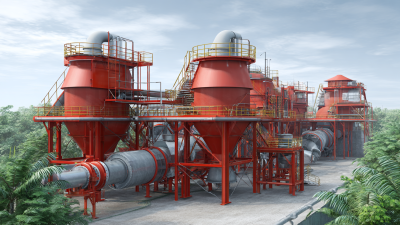
Choosing the right Hydrocyclone Separator is crucial for effective solid-liquid separation. Various factors influence the selection process, including particle size, flow rate, and specific application needs. This decision can impact operational efficiency and overall project success.
Industry-leading companies, such as GTEK and Schurco, offer a range of Hydrocyclone Separators suited for different conditions. Evaluating these options requires understanding your requirements and limitations. It is essential to consider how the separator will perform under varying conditions to ensure reliability.
However, even experienced users of Hydrocyclone Separators sometimes face challenges. Miscalculations or oversight in sizing can lead to inefficiencies. Consulting with experts can help navigate this complex landscape, ensuring that you make an informed choice tailored to your unique needs.
Understanding Hydrocyclone Separators and Their Applications
Hydrocyclone separators are essential for various industries, aiding in the separation of solid particles from liquids. Their design is simple yet effective. These devices utilize centrifugal force to promote efficient separation, making them suitable for applications in mining, oil and gas, and waste management.
Choosing the right hydrocyclone separator requires understanding its function. Hydrocyclones work based on the principle of density differences. The heavier particles move outward, while lighter ones rise. This basic principle defines their efficiency and effectiveness in different settings. Selecting a hydrocyclone suited for your specific needs can greatly enhance operational efficiency.
Tips: Always consider the feed particle size. A mismatch can lead to reduced performance. Pay attention to the wear-resistant materials. They are crucial for the separator’s longevity. Regular maintenance also cannot be overlooked; neglect could lead to inefficiencies and increased operational costs. The right choice can significantly affect productivity and overall outcomes.
Key Factors to Consider When Choosing a Hydrocyclone Separator
When selecting a hydrocyclone separator, several critical factors must be considered. The first is the particle size distribution of the feed material. According to industry studies, the effectiveness of hydrocyclones can depend on the D50 value of particles. For instance, if your feed contains particles smaller than 40 microns, you may face challenges in effective separation. Hydrocyclones typically excel in separating particles within the 10 to 200-micron range. Understanding the particle size and distribution is essential to ensure optimal performance.
Another important factor to evaluate is the flow rate. Different applications require varying flow rates to achieve efficient separation. Research indicates that maintaining a stable and optimal flow rate can enhance separation efficiency by 30%. If the flow rate is too high, it may lead to reduced separation efficiency. Conversely, too low a flow rate can cause sedimentation in the inlet, affecting the separator's overall ability. It’s imperative to conduct tests with representative samples to determine the ideal flow rate for your specific needs.
Lastly, consider the geometry of the hydrocyclone. The shape, cone angle, and the inlet design all significantly impact separation efficiency. According to various engineering analyses, slight variations in cone angles can alter the cut size of particles. Hence, even small changes in design can lead to substantial differences in operational performance. Continuous evaluation and adjustment of hydrocyclone parameters can yield more reliable results, making experimentation a necessary approach in achieving your separation objectives.
How to Choose the Best Hydrocyclone Separator for Your Needs?
| Factor |
Description |
Importance Level |
| Feed Size |
The size of particles in the feed affects separation efficiency. |
High |
| Flow Rate |
The volume of feed passing through the hydrocyclone per unit time. |
Medium |
| Pressure Drop |
The difference in pressure from the inlet to the outlet affects efficiency. |
High |
| Material of Construction |
Durability and corrosion resistance based on the processed materials. |
Medium |
| Separation Efficiency |
The ability to separate desired particles from the liquid. |
High |
| Maintenance Requirements |
Frequency and complexity of maintenance for operational efficiency. |
Medium |
| Cost |
Initial purchase cost as well as operational costs over time. |
High |
Types of Hydrocyclones: Which One is Right for You?
When selecting a hydrocyclone separator, understanding the different types is essential. Hydrocyclones can be classified into several categories, including feed type, design, and application. Each type serves a specific purpose in various industries, from mining to wastewater treatment.
For example, a standard cyclone may be ideal for solid-liquid separation in mining, while a high-efficiency cyclone is better suited for fine particle separation in industrial applications. According to industry reports, the hydrocyclone market was valued at over $4 billion in 2022, with a projected growth rate of 6% annually. This is largely due to advancements in technology that enhance performance and efficiency.
Tip: Assess your specific needs based on particle size, concentration, and flow rate. Selecting the wrong type may lead to inefficiencies or increased operational costs. Another consideration is the material of construction. Different materials can greatly affect durability and longevity in harsh environments.
Keep in mind, no one hydrocyclone fits all applications. Testing various types under actual operating conditions can reveal unexpected insights. Regularly reviewing performance and making adjustments based on operational data aids in fine-tuning your selection.
Hydrocyclone Separator Types Comparison
This chart compares the efficiency percentages of different types of hydrocyclone separators, helping you visualize which model may be best suited for your needs based on operational performance.
Evaluating Performance Metrics of Hydrocyclone Separators
When selecting a hydrocyclone separator, understanding performance metrics is crucial.
Efficiency is often assessed using parameters like cut size, separation efficiency, and pressure drop. Industry reports indicate that optimal cut sizes typically range from 10 to 100 microns, depending on the application.
This range not only influences operational efficiency but also affects recovery rates. You should analyze your material's particle size distribution before making a decision.
Separation efficiency should exceed 90% for many industrial applications. However, achieving this often involves balancing flow rates and pressure drops. A higher pressure drop can enhance separation, but it may also increase wear and operational costs. Some separators perform well at high flow rates, yet their efficiency can diminish if not properly managed.
It's essential to measure the effectiveness in real-world conditions. Testing variations of hydrocyclones under controlled circumstances can yield insights. Different materials and flow rates behave uniquely, leading to discrepancies in performance. Carefully documented case studies reveal that failures in design choices are common. These insights can guide you to make more informed decisions.
Material and Design Considerations for Hydrocyclone Efficiency
When selecting a hydrocyclone separator, material and design parameters play critical roles. The efficiency of a hydrocyclone is influenced significantly by the materials used in its construction. Common choices include polyurethane, ceramics, and stainless steel. Each material has its pros and cons. For instance, polyurethane is lightweight and provides good resistance to wear, but it may not withstand high temperatures as well as ceramics. Stainless steel is durable but can add unnecessary weight to the system.
The design of the hydrocyclone also affects its performance. Factors like the cone angle and diameter impact the separation efficiency. A steeper cone angle generally offers better separation but can lead to increased wear rates. A wider diameter allows for larger flow rates but may reduce the precision of the separation. Balancing these design elements can be tricky. It requires a clear understanding of your specific application and the types of materials involved. This often involves trial and error to find the optimal configuration for your needs. Remember, the ideal hydrocyclone is not one-size-fits-all; it’s about fine-tuning to achieve your desired results.
Maintenance and Operational Tips for Hydrocyclone Separators
When operating a hydrocyclone separator, proper maintenance is crucial. Regular inspection of the inlet and outlet can prevent blockages. Clogs can reduce efficiency and lead to costly downtime. Check for wear and tear on the cyclone body. A worn cyclone can lead to improper separation, affecting the entire process.
Cleaning is another critical aspect. Remove any accumulated debris regularly. This will ensure optimal performance and extend the lifespan of the equipment. Monitor the pressure drop across the hydrocyclone. An unexpected change may indicate a need for maintenance. Pay attention to flow rates as well. Fluctuations can signal an issue with the system.
Operational readiness is key. Ensure operators are well-trained. They should know how to adjust parameters based on the feed characteristics. Recording operational data helps spot trends over time. This practice can help in making informed adjustments. Remember, proactive maintenance can mitigate larger issues later. Neglecting these simple tasks can lead to bigger headaches.
Cost Analysis: Balancing Quality and Budget for Hydrocyclones
When selecting a hydrocyclone separator, cost is a significant factor. According to a recent market analysis, prices for hydrocyclones can range from $1,000 to over $10,000. The disparity is often due to materials, efficiency, and design complexity. A low-cost option may seem attractive initially but can result in higher operational costs over time. Durability and maintenance often vary significantly between cheaper and premium models.
Investing in a high-quality hydrocyclone can lead to improved separation rates. For instance, studies indicate that higher-efficiency hydrocyclones can achieve separation efficiencies of up to 90%. This can outweigh the initial cost, as a more effective separator reduces material loss. However, many operators overlook maintenance expenses. These costs can add up, particularly if the separator requires frequent repairs. Thus, evaluating total cost of ownership is crucial.
Budget constraints are real, but compromising quality may not be wise. It’s vital to balance cost with the hydrocyclone’s capabilities. Understanding your specific needs can help clarify this balance. Experts suggest conducting a thorough cost-benefit analysis tailored to specific applications. While it’s tempting to opt for the lowest bidder, consider the long-term implications. A wise investment pays for itself through efficiency gains and lower operating costs.
FAQS
: A hydrocyclone separator is a device used to separate solid particles from liquids using centrifugal force.
They separate based on density differences. Heavier particles move outward, while lighter ones rise.
Consider feed particle size, separation type, and construction materials to ensure optimal efficiency.
Common materials include polyurethane, ceramics, and stainless steel, each with distinct advantages and drawbacks.
Factors like cone angle and diameter impact efficiency. A steeper cone enhances separation but may increase wear.
Neglecting maintenance can lead to inefficiencies and higher operational costs, affecting overall productivity.
No, different applications require tailored solutions. Testing various types helps identify the best fit.
Choosing improperly may lead to reduced performance and increased costs, affecting operational success.
Regular performance evaluations reveal insights, allowing adjustments for enhanced efficiency and outcomes.
Yes, finding the optimal configuration often involves experimentation and adjustments to meet specific needs.
Conclusion
Choosing the best Hydrocyclone Separator involves understanding its fundamental principles and applications, alongside evaluating key factors that influence its effectiveness for specific needs. Different types of hydrocyclones cater to various separation requirements, and assessing performance metrics is crucial for optimal selection.
When selecting a Hydrocyclone Separator, consider material and design aspects to enhance efficiency and longevity. Maintenance practices and operational tips further ensure the separator performs effectively over time. Finally, conducting a cost analysis helps balance quality with budgetary constraints, ensuring an informed decision that meets both performance and financial requirements.