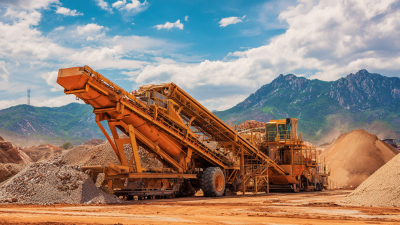
Processing natural gas efficiently isn't just about turning it into energy — there's a lot to consider, especially when it comes to its quality. One big part of that is desanding, which is pretty crucial for keeping the whole operation running smoothly. Basically, this process gets rid of solid stuff like sand and other tiny particles that can mess with equipment or cause costly downtime. Nobody wants that, right?
Using the right desanding methods can really make a difference. Modern techniques like hydrocyclones and filtration systems are pretty effective — they catch those unwanted particles and leave you with cleaner, safer gas. But, of course, every situation is different, so you need to keep an eye on how things are working and tweak things as needed.
And let’s not forget, companies like Schlumberger and Halliburton are doing some pretty cool stuff in this space. They’ve got specialized solutions tailored to different operational needs. Still, it’s important to remember — no system is foolproof. Constant monitoring and ongoing adjustments are key to staying ahead, especially as conditions change. Bottom line? Understanding the ins and outs of desanding is essential if you want to keep things running efficiently and avoid unexpected hiccups.

Understanding Natural Gas Desanding and Its Importance
Natural gas desanding is a crucial process in the gas extraction and processing industry. It involves removing sand and other solid contaminants from natural gas streams. This step is essential to ensure the efficiency and safety of downstream equipment. According to the American Petroleum Institute (API), improper desanding can lead to equipment wear, increased maintenance costs, and even unscheduled shutdowns. Industry reports suggest that up to
30% of maintenance costs can be attributed to issues caused by solid contaminants.
Understanding the significance of desanding is important for optimizing operations. Sand can cause erosion in pipelines and valves, which increases operational inefficiency. A study by the Gas Processors Association (GPA) highlights that desanding can improve flow rates by as much as
15% when executed correctly. Nonetheless, achieving effective desanding is not without challenges. Factors such as varying sand composition and flow rates can complicate the desanding process.
Efficient methods employ a combination of cyclones, hydrocyclones, and filtration systems. However, these technologies require careful monitoring and regular maintenance. Relying solely on technology without human oversight can result in inadequacies. Regular review and adaptation are necessary to improve desanding practices. By continuously refining methods and incorporating real-time monitoring, gas processing facilities can enhance their operational reliability.
Common Challenges in Natural Gas Desanding
Desanding natural gas is critical for efficient processing. However, several challenges can arise during this process. One major issue is the varying size and composition of the sand particles. Sands can range from fine grains to larger aggregates, making separation complicated. Inconsistent particle sizes lead to operational inefficiencies. Moreover, the presence of other contaminants, such as silt and clay, can exacerbate this issue. A thorough understanding of the input material's characteristics is essential for effective desanding.
Another common challenge is equipment wear and tear. Sand particles can cause significant abrasion to processing equipment, resulting in costly maintenance or replacement. Regular monitoring of equipment condition can help mitigate these risks. Additionally, maintaining optimal flow rates is crucial. High flow can cause sand to pass through separation systems, while low flow can lead to sediment buildup. Adjustments in operational parameters may be necessary, but this can involve careful planning and execution. Each operation will face unique factors that require ongoing evaluation and adjustment to achieve optimal results.
Effective Mechanical Separation Techniques for Desanding
Desanding natural gas is crucial for efficient processing. Effective mechanical separation techniques play a vital role in this task. Cyclonic separators are commonly used for desanding. They rely on centrifugal force to remove solid particles from gas streams. However, they may not capture all sand effectively. Adjusting the cyclone's design can enhance its performance. Fine-tuning the inlet velocity is crucial for maximizing efficiency.
Another method is the use of filtration systems. These systems can capture various particle sizes. However, regular maintenance is key. Filters can become clogged over time, leading to reduced efficiency. Operators must monitor pressure drops to avoid complications. Advanced filter media can improve particle retention. Yet, their costs can be a concern.
Lastly, sedimentation tanks offer a simpler solution. They allow solid particles to settle naturally. This method, while effective, often requires large space and time. Operators must weigh the benefits against investment costs. Potential issues like uneven sedimentation need addressing. Balancing efficiency and cost is a continuous challenge in desanding processes.
Chemical Treatments for Enhanced Desanding Efficiency
Chemical treatments play a crucial role in enhancing desanding efficiency in natural gas processing. These methods can significantly reduce sediment build-up. By using specific chemicals, operators can optimize the removal of sand and other particulates. This leads to fewer maintenance requirements and lower operational costs.
Implementing the right chemical solutions requires expertise. Each natural gas well has unique characteristics. A one-size-fits-all approach rarely works. Testing different formulations helps in identifying the most effective treatment. Operators often face challenges in balancing cost and efficiency. Some chemicals may not be effective in high sand environments.
Continuous monitoring is essential. Regular assessments ensure that the treatment still meets performance goals. Operators need to stay updated on advances in chemical technologies. This vigilance can lead to important improvements over time. Some treatments may not deliver immediate results, leading to frustration. However, patience in chemical usage often pays off, resulting in smoother operations in the long run.
Best Practices for Maintaining Desanding Equipment
Maintaining desanding equipment is crucial for efficient natural gas processing. Regular inspections are essential to identify potential wear and tear. This helps prevent unplanned downtimes, which can be costly. Ensure that technicians are trained to recognize issues early. They should know the common signs of malfunction, such as unusual vibrations or leaks. These observations can guide timely maintenance actions.
Routine Cleaning Schedule: It's also important to establish a routine cleaning schedule. Equipment can accumulate sand and other particulates over time. A build-up can reduce efficiency and lead to costly repairs. Use proper cleaning agents that do not damage the machinery. Follow manufacturer guidelines for cleaning procedures. However, each facility may face unique challenges, requiring flexibility in approaches.
Documentation plays a vital role in maintenance. Keeping detailed logs of all maintenance activities is beneficial. These records can reveal trends over time and indicate areas for improvement. Additionally, seek feedback from operators frequently using this equipment. They may provide insights that technical teams overlook. Balancing maintenance with operational efficiency is a complex task, but necessary for optimal performance.
Monitoring and Measuring Desanding Performance
Monitoring desanding performance in natural gas processing is crucial for efficiency. Regular assessments can help identify issues early. With efficient desanding, operators can save costs and maximize output. According to the Gas Processing Association, optimal desanding can increase operational efficiency by up to 20%. This is significant for long-term profitability.
One effective tip for monitoring desanding is to use real-time measurement tools. These tools track sand levels throughout the processing system. Automated systems can alert operators to sudden changes. Keeping a close eye on these metrics can prevent unplanned shutdowns. Additionally, implementing regular visual inspections can help maintain equipment integrity.
Assessing the effectiveness of desanding units is vital. Analyzing the amount of sand removed versus the initial levels can provide insights. However, the challenge lies in the variability of sand content in gas streams. It's important to adjust methods based on changing conditions. This adaptability may require periodic training for personnel. Continuous learning and adaptation can lead to significant improvements in performance.
Case Studies: Successful Natural Gas Desanding Strategies
Effective desanding techniques are crucial in natural gas processing. A recent report from the Gas Technology Institute highlights that poor desanding practices can lead to equipment wear and reduced efficiency. Many operators struggle with sand accumulation, which affects production integrity and pipeline flow rates.
One successful case involved a mid-sized gas processing facility that implemented on-site sand management systems. By utilizing a combination of filtration and sedimentation, the facility reduced sand content from 2% to 0.1% in gas streams. This not only minimized operational disruptions but also led to a 15% increase in overall production efficiency. Another study showed that the use of advanced separating technologies reduced maintenance downtime by up to 30%, providing a clear financial benefit.
However, challenges remain. Some facilities still face difficulties in adapting to evolving desanding technologies. Employee training and system integration present ongoing hurdles. Achieving optimal desanding isn't just about technology; it requires a comprehensive understanding of site-specific conditions and continuous evaluation of methods.
FAQS
: Mechanical separation techniques are vital for removing solid particles from gas streams efficiently.
Cyclonic separators use centrifugal force to separate sand from gas. However, they may not capture all particles effectively.
Filtration systems can clog over time. Regular maintenance is essential to maintain efficiency and monitor pressure drops.
Sedimentation tanks allow solid particles to settle naturally. They require large space and time for effectiveness.
Using real-time measurement tools helps track sand levels. Automated alerts can signal sudden changes for quicker responses.
Regular assessments help catch issues early, saving costs and maximizing output. Ignoring this can lead to unplanned shutdowns.
Operators need to address uneven sedimentation issues. Evaluating benefits versus investment costs is crucial for success.
Ongoing training helps adapt to changing conditions. Continuous learning can significantly enhance desanding performance.
Fine-tuning the cyclone's design and inlet velocity can improve its efficiency in removing sand particles.
Advanced filter media may improve particle retention but can be costly. Balancing performance and expenses is challenging.
Conclusion
Natural Gas Desanding is a critical process in the natural gas industry that involves the removal of sand and particles to ensure efficient processing and protect equipment from wear and damage. Understanding the importance of effective desanding methods is essential, as common challenges such as particle size variability and equipment fouling can significantly impact overall operations.
To enhance desanding efficiency, incorporating effective mechanical separation techniques and chemical treatments is crucial. Additionally, maintaining desanding equipment through best practices and continuously monitoring and measuring desanding performance can lead to improved operational outcomes. Case studies of successful natural gas desanding strategies further illustrate the potential for optimizing processes, ensuring not only the quality of the gas produced but also the longevity of processing equipment.