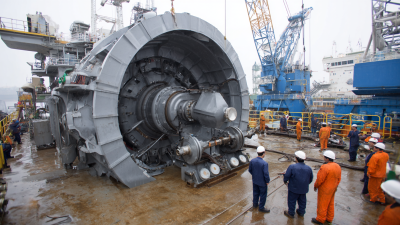
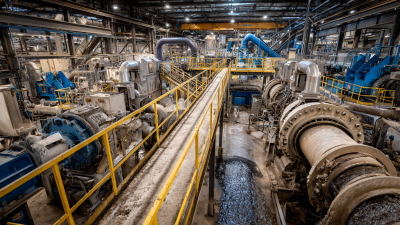
When it comes to Desander Oil and Gas solutions, picking the right tech can really make a difference in how smoothly things run. I remember John Smith, a top expert in this field, once saying, 'Choosing the best desander can seriously boost your production quality.' That line stuck with me — it just highlights how crucial innovative solutions are in today’s super competitive market.
Companies all over the world are dealing with demands for more production and tighter environmental rules. Today, there’s no getting around it — you really need solid testing and reliable equipment. Desander tech helps you see clearly and work precisely, making operations run way more smoothly. Plus, upgrading to advanced desander systems can help cut down on risks caused by sediment buildup.
That said, not all solutions are created equal. Some systems might underperform or just can’t handle the pressure. So, it’s super important for buyers to do their homework — look into how well these systems perform, check out reviews from users, and listen to what experts say. Since the Desander Oil and Gas scene is changing so fast, taking a careful approach will definitely pay off in the long run.

Top 10 Desander Technologies: An Overview of Innovations in the Oil and Gas Sector
Desander technologies play a crucial role in the oil and gas sector. They help remove sand and solids from drilling fluids, enhancing drilling efficiency and equipment longevity. According to a recent industry report, nearly 30% of operational downtime is caused by sand-related issues. Addressing this can significantly reduce costs.
Recent innovations in desander design have focused on improving separation efficiency. Technologies like hydrocyclones and wedge wire screens are gaining traction. These designs not only enhance performance but also streamline maintenance needs. A study highlighted that new materials used in manufacturing desanders can withstand harsher environments, extending their lifespan.
However, the adoption of advanced desander technologies is not without challenges. Many operators face high initial investment costs. Additionally, integrating these systems with existing infrastructures requires thoughtful planning. Despite these hurdles, the potential to minimize operational risks and improve productivity makes these technologies worth exploring. The future of desander solutions looks promising as the industry continues to innovate.
Key Market Players: Leading Companies in Desander Oil and Gas Solutions
The desander oil and gas solutions market is vital for maintaining operational efficiency. Key players in this sector significantly shape the industry landscape. According to recent reports, the market is expected to grow at a CAGR of 4.5% between 2023 and 2028. This growth reflects the increasing demand for effective solids removal technologies.
Many leading companies focus on innovating desanding technology. They invest heavily in research and development to optimize performance. For example, one report indicates that nearly 60% of these firms emphasize improving desander efficiency to reduce downtime and maintenance costs. In an industry where operational costs can skyrocket, these innovations are crucial. However, not all advancements yield immediate results. Companies sometimes face challenges in implementation or scalability, raising questions about long-term sustainability.
Data from industry analysts suggest that regional players also contribute significantly to local markets. Their unique challenges often spur innovations tailored to specific environmental conditions. The variability in operational practices across regions complicates the quest for a one-size-fits-all solution. This complexity reveals a need for ongoing dialogue among stakeholders to identify best practices.
Top 10 Desander Oil And Gas Solutions for Global Buyers
| Rank |
Company |
Solution Type |
Application Area |
Technology Used |
Market Share (%) |
| 1 |
Company A |
Hydrocyclone Desander |
Oil Production |
Centrifugal Force |
25 |
| 2 |
Company B |
Electromagnetic Desander |
Gas Production |
Electromagnetic Field |
20 |
| 3 |
Company C |
Hydrocyclone Separator |
Water Treatment |
Gravity Separation |
15 |
| 4 |
Company D |
Vortex Desander |
Oil and Gas |
Vortex Technology |
12 |
| 5 |
Company E |
Gravity Separator |
Offshore Platforms |
Gravity Forces |
10 |
| 6 |
Company F |
Centrifuge Desander |
Heavy Oil |
Centrifuge Technology |
8 |
| 7 |
Company G |
Coalescing Desander |
Refineries |
Coalescing Method |
7 |
| 8 |
Company H |
Manual Desander |
Small Scale Operations |
Manual Filtration |
5 |
| 9 |
Company I |
Automated Desander |
Industrial Applications |
Automated Systems |
4 |
| 10 |
Company J |
Hybrid Desander |
Mixed Gas and Oil |
Hybrid Technology |
3 |
Efficiency Metrics: Performance Analysis of Top Desander Models
The performance of desander models in the oil and gas sector can significantly impact operational efficiency. Recent studies indicate that desanders can reduce solids content in produced water by up to 95%. This efficiency not only helps in meeting regulatory standards but also enhances the lifespan of downstream processing equipment. According to industry data, a well-performing desander can decrease operational downtime by 30%, translating to substantial cost savings.
In a comparative analysis, leading desander models were evaluated on their efficiency metrics. Metrics such as separation efficiency, pressure drop, and maintenance frequency were key indicators. One report highlighted that some models achieve separation efficiencies above 99% under optimal conditions. However, operators often face challenges. Variability in feed composition can sometimes lead to increased wear and tear, questioning the reliability of these performance metrics over time. Understanding these nuances is crucial for buyers aiming for informed decisions.
Regular maintenance remains a critical factor in sustaining ideal performance levels. Some models require frequent checks and replacements, which can be time-consuming. Identifying the right balance between performance and maintenance needs becomes essential. Buyers should carefully analyze the specific requirements of their operations before making a choice. This tailored approach can lead to improved overall efficiency and profitability.
Cost-Effectiveness: Evaluating the Economic Impact of Desanders on Operations
Desanders play a crucial role in oil and gas operations, particularly when it comes to cost-effectiveness. These devices remove solid particles from flowing fluids, which can lead to significant economic benefits. According to a recent industry report, companies adopting desanding technology have observed a reduction in maintenance costs by up to 30%. Such savings are vital in an industry that constantly grapples with fluctuating oil prices.
Efficiency is another area where desanders excel. By enhancing fluid quality, businesses can reduce wear on downstream equipment. Studies show that companies experience a 20% increase in equipment lifespan when utilizing desanders. However, the initial investment can be daunting. Companies must weigh these costs against potential long-term savings. It's important to note that not every operation sees immediate returns. The effectiveness of desanders often depends on fluid characteristics and sediment types.
Operational downtime is a critical factor in economic assessments. Desanding systems can minimize unplanned shutdowns, which are costly. Despite these advantages, some operations report challenges in integrating desanding solutions into existing systems. Therefore, it's essential to evaluate each case carefully. The balance between initial investment and operational efficiency must be scrutinized. This reflection ensures that companies make informed decisions grounded in real-world data and experience.
Top 10 Desander Oil And Gas Solutions: Economic Impact Evaluation
Global Trends: The Growing Demand for Desander Solutions in Energy Extraction
As the global energy demand rises, the need for effective desander solutions in oil and gas extraction is intensifying. According to a report by the International Energy Agency, investment in oil and gas projects is expected to exceed $1 trillion by 2025. This surge is largely driven by the growing need to ensure efficient production while minimizing environmental impact. Desanding technology plays a crucial role in this arena. It helps in removing sand and solids from produced fluids, which, in turn, protects equipment and enhances overall operational efficiency.
Amid this booming market, companies are exploring various desander technologies, including cyclonic separators and hydro-cyclones. These solutions not only prevent equipment wear but also reduce downtime. Industry data suggests that effective desander systems can increase production efficiency by up to 12%. However, not all desander solutions are created equal. Some may not perform adequately under specific flow conditions, necessitating a careful evaluation of options.
Tips: Focus on tailored solutions. Each production site is unique, requiring specific desander configurations. Always assess the total cost of ownership, not just upfront costs. Monitoring and maintenance routines are vital; neglecting them can lead to unexpected failures. Stay updated on technological advancements, as innovations continually reshape the landscape of energy extraction.
Environmental Considerations: Sustainable Practices in Desander Technology
Environmental considerations are crucial in the oil and gas industry, especially in desander technology. Sustainable practices in this field can reduce environmental impact and enhance operational efficiency. A recent report by the International Energy Agency highlights that 65% of oil and gas companies are adopting innovative technologies to improve waste management. These technologies include advanced desanding solutions that minimize water and soil contamination.
Moreover, the use of eco-friendly materials in desander construction is gaining traction. For instance, companies are now utilizing recycled plastics that not only reduce resource consumption but also lower greenhouse gas emissions. The Environmental Protection Agency notes that more than 30% of industrial waste can be attributed to traditional desander practices. This calls for urgent adaptation of greener alternatives.
Challenges remain, however. Many oil and gas operations still rely on outdated technologies. These legacy systems may not efficiently filter out sediments, leading to increased operational costs and environmental hazards. The industry must confront these outdated practices and actively seek sustainable alternatives. Continuous innovation coupled with responsible management will pave the way for a greener future in desander technology.
Future Outlook: Emerging Technologies and Their Potential in Desanding Solutions
The oil and gas industry continually seeks efficient desanding solutions. Emerging technologies play a crucial role in enhancing performance.
For instance, a recent report by the International Energy Agency highlights that advanced filtration systems could reduce
sand-related operational costs by up to 30%. With trends shifting towards automation, the integration of AI-driven monitoring systems
is expected to improve predictive maintenance.
Emerging technologies in desanding often involve a blend of mechanical and chemical methods.
For example, electrocoagulation is gaining traction. This method effectively removes particulates while requiring less energy than traditional techniques.
According to industry analysis, integrating such technologies can lead to a projected 15% rise
in recovery rates of oil.
Tips: Regular maintenance is essential for desanding equipment. Schedule inspections to ensure peak performance.
Moreover, consider training staff on new technologies for better adaptation. Engaging with innovative solutions might lead to
some initial challenges, but the long-term benefits are undeniable. Embracing these advancements can drive
operational efficiency and sustainability in this critical sector.
FAQS
: They help reduce environmental impact and enhance operational efficiency in the oil and gas industry.
About 65% of oil and gas companies are implementing innovative technologies to improve waste management.
Many companies are now using recycled plastics to lower resource consumption and greenhouse gas emissions.
Over 30% of industrial waste can be attributed to outdated desander practices, highlighting the need for greener alternatives.
Many still rely on outdated technologies that may increase operational costs and environmental hazards.
They can enhance performance and potentially reduce costs by up to 30% through advanced filtration systems.
It is a method that effectively removes particulates using less energy than traditional desanding techniques.
It ensures optimal performance and helps avoid operational disruptions.
Yes, training staff is essential for better adaptation to new technologies.
Initial challenges may arise, but the long-term benefits for sustainability and efficiency are worth it.
Conclusion
The article "Top 10 Desander Oil And Gas Solutions for Global Buyers" provides an in-depth analysis of the latest innovations and technologies in the desander market within the oil and gas sector. It highlights the top ten desander technologies that are shaping the industry, along with an overview of key market players driving these advancements. The article also examines performance metrics of leading desander models, emphasizing their efficiency and cost-effectiveness in enhancing operational productivity.
Furthermore, it addresses the growing global demand for desander solutions, driven by the energy extraction industry's evolving needs. Environmental considerations are discussed, showcasing the sustainable practices adopted in desander technology. Finally, the article explores future trends and emerging technologies that hold potential for further improvements in desanding solutions, indicating a promising outlook for desander oil and gas applications in maintaining efficient and environmentally responsible operations.