
On June 9, the first well G10 of the WHPG pilot platform of the Phase II development project of Bozhong 19-6 gas field, the first 100-billion-cubic-meter gas field in the Bohai Sea, successfully spudded in, marking the full commencement of the drilling engineering of the gas field’s Phase II development project.
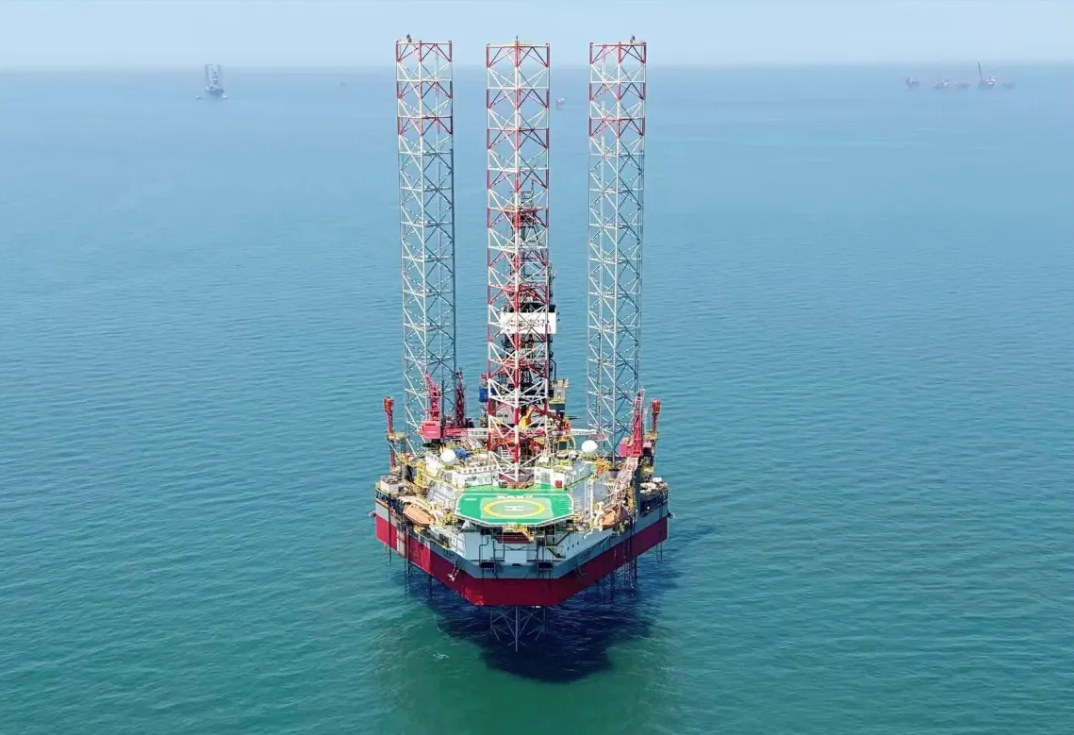
The Bozhong 19-6 condensate gas field is located in the central Bohai Sea, with an average water depth of about 20 meters. To date, it has proven geological reserves of over 200 billion cubic meters of natural gas and over 200 million cubic meters of condensate oil. The Phase I development project of the gas field came on stream in November 2023, and the Phase II development project will build three new wellhead platforms and three jackets.
As a follow-up and upgrading project to maintain stable production and enhance efficiency of the Phase I development project, the Phase II project focuses on tapping the potential of deep reservoirs and pursuing green and intelligent development. It leverages breakthroughs in drilling technology to efficiently monetize and convert reserves into production, thereby strengthening the offshore energy foundation for clean energy supply in the Bohai Rim region.
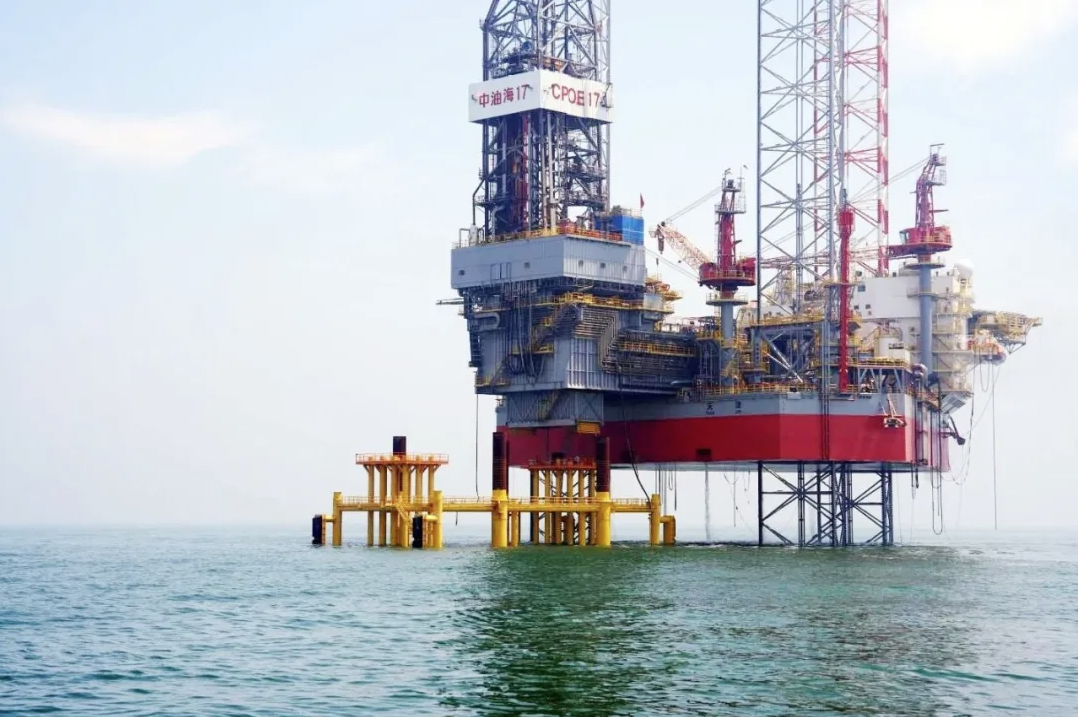
Based on the experience gained from the Phase I development, the Phase II project team has faced multiple engineering and technical challenges, including ultra-deep layers, high temperature and high pressure, and fractured buried‑hill reservoirs. Taking well G10 as the pilot test well for drilling, the project provides geological basis for batch drilling, process optimization, and precise well placement of the 19 development wells on the pilot platform, ensuring the smooth implementation of the overall drilling plan.
For the Phase II development project, the main reservoir has a burial depth of over 5,000 meters, with a maximum bottom hole temperature exceeding 200 °C and high formation pressure. Based on site conditions, the Boxi Regional Project Team of the Engineering Technology Operation Center, Tianjin Branch, has implemented a refined drilling strategy of “one well, one strategy; one section, one strategy,” upgraded drilling equipment, and collaborated with multiple units to tackle technical challenges. They have developed a self-researched high-temperature-resistant and low-damage drilling fluid system tailored to the block, optimized loss circulation control and pressure‑bearing plugging techniques in stages, strictly controlled drilling pressure differential, and maximized the preservation of primary oil and gas seepage channels.
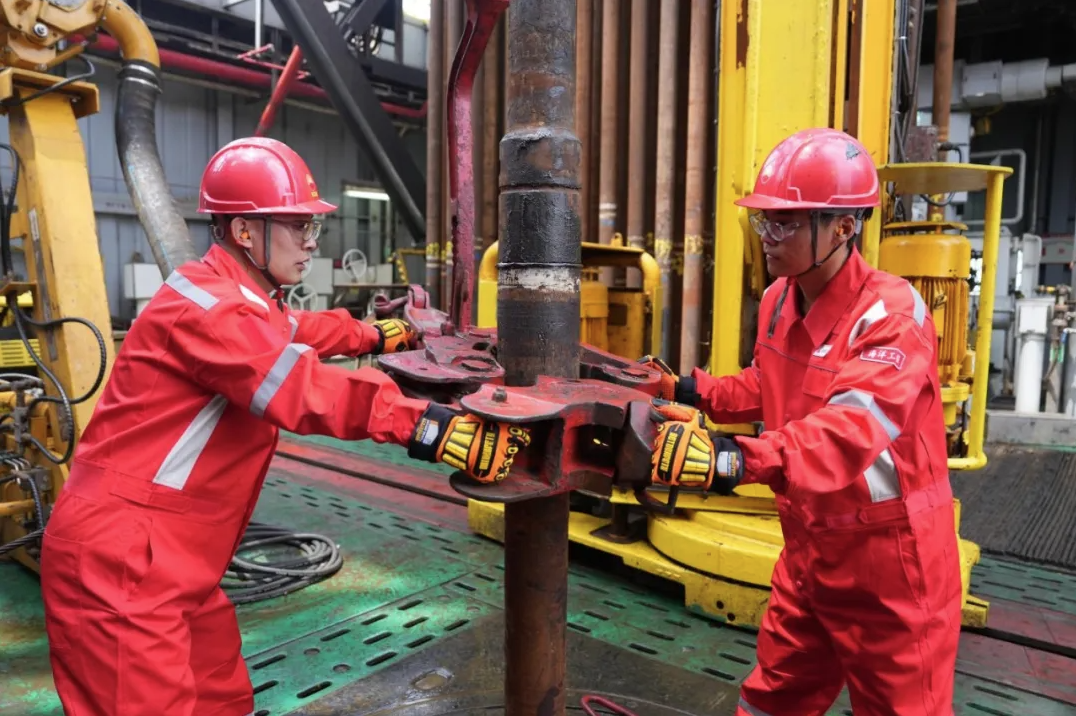
The well pattern arrangement on the WHPG platform is compact, posing great challenges for anti‑collision. The project team optimized the 3D wellbore trajectory design and implemented full‑cycle dynamic anti‑collision early warning to achieve precise targeting of thin reservoirs. They also tackled deep‑well cementing and wellbore integrity technologies, using a high‑temperature‑resistant, slightly expandable gas‑migration‑preventing cement slurry to ensure good long‑term wellbore sealing quality.
For the drilling operations on the three wellhead platforms of the Phase II development project, the entire process can be integrated into a remote central control system, which allows real‑time online acquisition of parameters such as hook load, torque, pump pressure, and flow rate, along with intelligent early warning. Digital technology is thus used to reduce safety risks associated with deep operations.

Our Desanding of produced condensate in Gas field is a high-efficiency liquid-solid separation device specifically designed to treat solids-containing condensate separated from gas-liquid separators. Based on the cyclone separation principle, this equipment effectively removes solid impurities such as sediments, cuttings, metal debris, scale, and product crystals from fluid media (liquid, gas, or gas-liquid mixtures). It achieves a removal rate of 98% for particles ≥5 microns, solving the problems of pipeline blockage and erosion caused by solid impurities in production systems.
Post time: Jun-11-2026