
Norway’s oil and gas company Vår Energi has selected US-based Schlumberger (SLB) as the primary integrated drilling services provider for two offshore drilling rigs on the Norwegian Continental Shelf, namely the harsh-environment semi-submersible rigs Transocean Barents and Deepsea Bergen. The initial service term is four years, with four one-year extension options; if all are exercised, the service period can be extended to 2034. During the contract term, the two rigs will continuously carry out oil and gas exploration and development drilling.
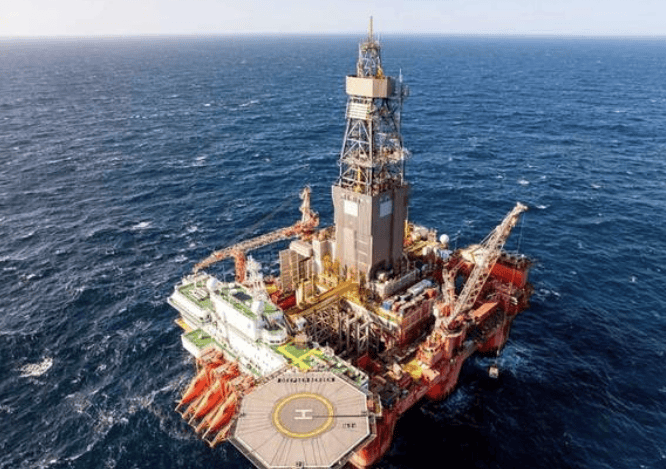
The service will be delivered under an integrated delivery model, covering drilling technical support, digital workflows, and field operations execution. SLB will work with Vår Energi and other selected specialist service providers on well placement planning, drilling program design, and field operations management, integrating data from the drilling planning and execution stages and coordinating technical interfaces among the different service providers. Both rigs are designed for harsh North Sea conditions and are suitable for offshore exploration and development operations on the Norwegian Continental Shelf.
This selection expands the existing collaboration between SLB and Vår Energi. The two parties have previously collaborated on digital well and field development planning, and SLB also provides subsea production systems to Vår Energi through the OneSubsea joint venture established with Aker Solutions and Subsea7. With the addition of integrated drilling services, the scope of cooperation now extends across drilling planning, field execution, and subsea production facilities, among other areas.
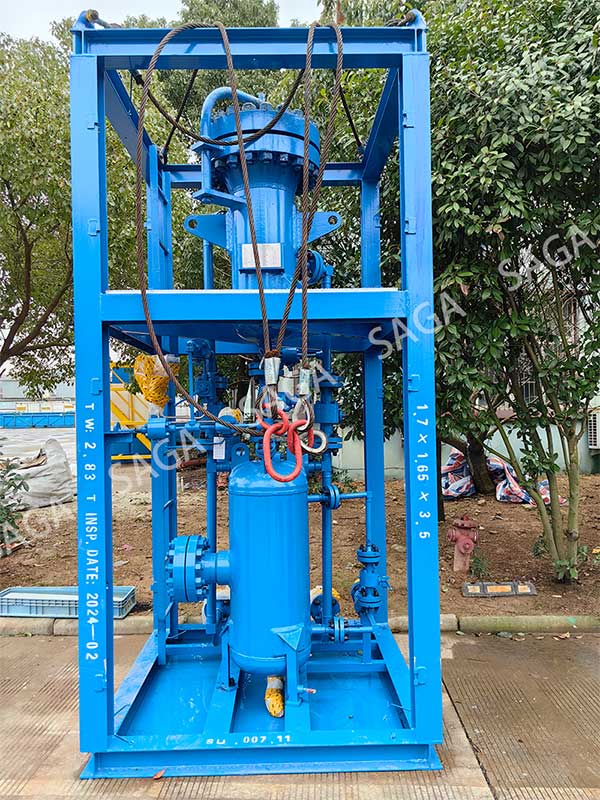
SJPEE’s high-efficiency cyclone desanders, recognized by international energy leaders, achieve a 98% separation rate. Built with advanced wear-resistant ceramics, the units capture 98% of particles as small as 0.5 microns in gas streams. This supports produced-gas reinjection for miscible flooding in low-permeability reservoirs—a key pathway to enhancing oil recovery in challenging formations. The units can also treat produced water, removing 98% of particles larger than 2 microns for direct reinjection, thereby improving water-flood efficiency and reducing environmental impact.
Post time: Nov-16-2026