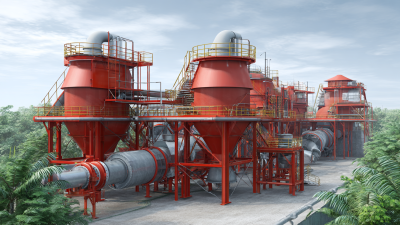
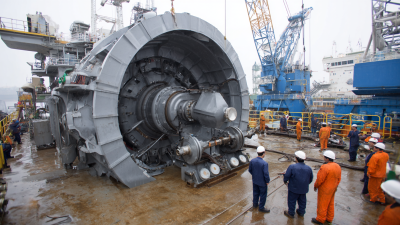
In the fast-changing world of mining and mineral processing, really understanding how hydrocyclones are used can make a big difference. Dr. James Thornton from Cyclone Innovations explains it pretty well: "Hydrocyclones are game-changers that boost efficiency." These things have a pretty cool design and do a crucial job—separating particles based on their size and density. It’s pretty impressive how much they’re involved in different industries. For example, in mineral processing, getting the classification just right is super important. They’re also used in wastewater treatment to remove contaminants and make the water cleaner. Plus, you can find hydrocyclones in oil and gas, pulp and paper processing—you name it. They’re really versatile.
That said, a lot of folks tend to overlook how important proper design and operation are. If a hydrocyclone isn’t built or used right, it can end up being pretty inefficient, which ends up costing more in the long run. Especially now, when industries are working with tighter margins, knowing how hydrocyclones work and how to use them properly is more important than ever. A buyer who’s well-informed can better handle all these complexities and avoid some common pitfalls.

Key Principles of Hydrocyclone Operation
Hydrocyclones are vital in various industries, optimizing separation processes. Understanding their operation is essential for effective application. At their core, hydrocyclones use centrifugal force to separate particles from fluids. This principle takes advantage of differing densities between solid particles and liquids. Reports indicate that hydrocyclones can achieve over 90% separation efficiency with the right design and operational parameters.
Design choices, such as inlet shape and cone angle, significantly affect performance. A well-designed inlet can minimize turbulence, enhancing the overall efficiency. Data from the International Journal of Mineral Processing suggests that variations in cone angle can shift separation cut points, impacting the purity of the separated materials. Operators often overlook these factors, leading to suboptimal performance.
Hydrocyclonic separation is not without challenges. Variations in feed composition can cause fluctuations in efficiency. It’s important to continuously monitor operational parameters. Real-time adjustments can mitigate the impact of feed variations. Industry reports show that small tweaks in flow rates can result in significant efficiency gains. Therefore, maintaining proper operational oversight is crucial for achieving desired outcomes.
Common Industries Utilizing Hydrocyclones
Hydrocyclones are versatile tools used across various industries for separating solids from liquids. They find application in sectors such as mining, oil and gas, wastewater treatment, and food processing. According to a recent market analysis, the hydrocyclone market is projected to grow significantly, driven by increasing demand for efficient separation technologies.
In the mining industry, hydrocyclones play a critical role in the separation of valuable minerals from the ore. For example, they are integral in coal and mineral processing plants, where their efficiency can lead to substantial cost savings. Reports indicate that hydrocyclones can reduce material losses by up to 10%, underscoring their importance in maximizing resource recovery.
The oil and gas industry also relies heavily on hydrocyclones for separating water and solids from oil. In offshore platforms, their compact design saves valuable space and enhances separation efficiency. With increasing environmental regulations, effective separation methods are necessary, as improper disposal can lead to significant penalties. Even though hydrocyclones are efficient, their performance can sometimes be variable, requiring continuous optimization and monitoring for optimal results.
Separation Efficiency in Hydrocyclone Applications
Hydrocyclones play a crucial role in industrial separation processes. Their efficiency in separating particles from liquids makes them invaluable in various applications. Understanding how separation efficiency works can significantly impact productivity and cost-effectiveness.
The design of a hydrocyclone influences its separation efficiency. Factors such as inlet velocity, pressure, and the size of the cyclone itself determine how effectively it can separate different particle sizes. For example, a well-designed hydrocyclone efficiently removes larger particles while allowing finer ones to pass through. However, achieving optimum performance requires attention to detail. If the operating conditions are not ideal, the separation may not meet expectations.
Operators must continuously evaluate the hydrocyclone's performance. Regular maintenance and monitoring can help identify potential issues. Factors like wear and tear can affect efficiency over time. By being proactive, businesses can enhance separation efficiency and minimize downtime. Conversations about improvements are essential in fostering a culture of innovation, but they can also reveal flaws in existing practices. Efficiency is not just about machinery; it’s about processes and a mindset.
Hydrocyclones for Mineral Processing and Mining
Hydrocyclones play a vital role in mineral processing and mining. They efficiently separate particles based on size and density. Utilizing centrifugal forces, they provide precise classification, which is crucial for successful ore processing. According to a recent industry report, over 60% of industrial minerals are processed using hydrocyclones, highlighting their importance in the sector.
These devices offer significant advantages, including reduced water consumption and improved efficiency. In many cases, processing plants report a throughput increase of up to 30% when using well-designed hydrocyclones. However, the efficiency can vary greatly depending on the feed composition and cyclone design. A detailed analysis of mineral mixtures is essential to optimize performance.
While hydrocyclones are effective, they are not without challenges. Improper sizing or selection can lead to undesirable outcomes, such as increased recirculation of fine particles. This can hinder your overall recovery rates. Therefore, regular monitoring and adjustments are necessary to maintain optimal performance in various applications, especially in fluctuating mining conditions.
Role of Hydrocyclones in Oil and Gas Sector
Hydrocyclones play a critical role in the oil and gas sector. Their primary function is to separate fluids from solids. This technology is essential in maximizing efficiency and recovery rates in oil extraction processes. These units can effectively handle large volumes of incoming slurry, creating a swift separation process that is crucial in production environments.
In offshore drilling, hydrocyclones are used for desanding. This helps in removing unwanted solids from the produced water. The efficiency of hydrocyclones is evident in their capacity to operate under high pressures and turbulent conditions. However, their performance can falter if not properly maintained. Regular inspections and adjustments are necessary to ensure optimal functioning.
Furthermore, hydrocyclones contribute to environmental protection. They aid in minimizing waste discharge and improving water quality. This form of separation reduces the risk of contamination. Despite their advantages, they require careful design considerations. A poorly designed hydrocyclone may not achieve desired separation rates. Understanding the unique properties of the specific fluids being processed is vital for success.
Applications of Hydrocyclones in Water Treatment
Hydrocyclones are essential in water treatment processes. They effectively separate solid particles from liquids. By applying centrifugal force, they enhance the efficiency of filtration. As water flows into the hydrocyclone, denser solids are pushed to the bottom, while cleaner liquid exits at the top. This method is both cost-effective and efficient.
In wastewater management, hydrocyclones play a significant role. They remove heavy sediments from industrial effluents, making water reuse practical. However, the technology isn't without limitations. For instance, fine particles may not be fully separated. Thus, additional filtration systems may be needed. Operators must monitor the system closely for optimal performance.
Another application is in stormwater treatment. Hydrocyclones help reduce silt and debris from runoff. This process protects water bodies from pollution. Ultimately, energy consumption can be an issue. Operators should assess the overall ecological footprint. In each application, a balance between efficiency and sustainability is crucial for long-term success.
Innovations and Future Trends in Hydrocyclone Technology
Hydrocyclones play a crucial role in various industries, from mining to water treatment. Recent trends in hydrocyclone technology focus on enhancing efficiency while reducing operational costs. Many reports indicate that advancements in computational fluid dynamics (CFD) have led to improved designs. These innovations enhance separation performance, ensuring higher throughput and better recovery rates.
The introduction of new materials has significantly influenced the durability and longevity of hydrocyclones. For instance, advanced ceramic and polymer composites resist wear and corrosion. According to industry studies, using these materials can extend the service life of hydrocyclones by up to 30%. As the industry faces increasing environmental regulations, these materials also promote sustainable practices.
Future trends indicate a shift towards smart hydrocyclones equipped with IoT technology. These devices monitor performance in real-time, providing data analytics for operational improvement. Reports suggest that predictive maintenance could reduce downtime by 25%. However, the implementation of such technology may require additional investment and training. Finding the right balance between innovation and practicality is essential for users.
Top 10 Hydrocyclone Applications
FAQS
: Hydrocyclones separate particles based on size and density using centrifugal forces. They classify materials for effective ore processing.
They can increase throughput by up to 30%. However, results depend on feed composition and cyclone design.
Improper sizing can cause fine particles to recirculate, lowering recovery rates. Regular monitoring is necessary to avoid issues.
They separate solids from fluids, boosting efficiency in oil extraction. They handle large volumes, crucial for production.
Without proper maintenance, their performance may decline. This affects recovery rates and separation efficiency.
Yes, they help minimize waste discharge and improve water quality, reducing contamination risks in various processes.
Fine particles may not be completely separated. Additional filtration may be required for optimal results.
They remove heavy sediments from effluents, making water reuse possible. Close monitoring is key to maintaining effectiveness.
They help reduce silt and debris from runoff, protecting water bodies from pollution.
Assess energy consumption and focus on reducing the ecological footprint while maximizing operational efficiency.
Conclusion
Hydrocyclones are versatile separation devices widely used across various industries. Understanding the key principles of hydrocyclone operation is crucial for optimizing separation efficiency, making them essential in sectors such as mineral processing, mining, oil and gas, and water treatment. Their design allows for efficient separation of particles based on size and density, facilitating the extraction of valuable materials and enhancing resource recovery.
In the oil and gas sector, hydrocyclones play a pivotal role in separating oil from water, thereby improving the quality of the final product. Additionally, innovations in hydrocyclone technology are paving the way for more efficient processes and applications in wastewater management and resource recovery. As the demand for sustainable practices grows, the hydrocyclone's effectiveness in various treatments continues to evolve, underscoring its importance in modern industrial applications.