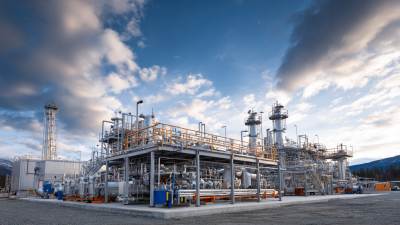
Picking the right three-phase separator is a pretty big deal if you want things to run smoothly, no matter what industry you're in. I came across a recent report from the International Oil & Gas Association that said choosing the wrong one can bump up your operational costs by about 20%. Yikes, right? Industry folks keep stressing how important it is to know your specific needs so you get the best performance. Dr. Emily Thompson, who's kind of a rockstar in separation tech, actually mentions, “The kind of separator you choose can seriously influence your recovery rates and overall efficiency.”
The market for these separators is constantly changing, with new innovations popping up that boost performance in different sectors. Interestingly enough, around 30% of companies have reported problems related to how well their separators work. That just goes to show—there’s no such thing as a one-size-fits-all solution here. Every industry has its own unique stuff that a separator needs to handle.
And let’s be honest, choosing the right separator isn’t always straightforward. Too many organizations overlook key details like fluid composition and flow rates, which can lead to less-than-great results and more maintenance headaches down the line. So, it’s really worth digging into reliable data and chatting with experts before making a call. At the end of the day, the performance of your three-phase separator can truly make or break your operation’s success.

Understanding Three Phase Separators and Their Importance
Three phase separators play a crucial role in various industries. They effectively separate mixtures of oil, water, and gas. These separators ensure that each component is isolated for further processing. Understanding their importance can directly impact operational efficiency.
When considering a three phase separator, factors such as design and material composition are vital. Each separator should be tailored to handle specific fluid characteristics. For example, a separator designed for heavy oil might differ significantly from one suitable for light hydrocarbons. Misjudging these requirements can lead to inefficiencies.
Additionally, the operational environment must be taken into account. Temperature, pressure, and fluid viscosity all influence separator performance. These elements often require careful thought and adaptation. Relying solely on standard solutions can lead to issues down the line. Therefore, thorough analysis is essential before making a decision.
Key Factors to Consider When Choosing a Separator
When choosing a three-phase separator, several key factors come into play. Understanding the specific application is essential. Each industry has unique requirements for separation efficiency and capacity. Assess the fluid types involved, as this impacts the design and material choice. For instance, oil, water, and gas have different densities and flow rates.
Consider the separator's layout and installation requirements. A compact design may fit limited space better, while larger units can offer higher performance. The ease of maintenance also matters. Accessible components can reduce downtime during service. Think about the potential for upgrades too. Your business needs may change, and adaptability can provide long-term benefits.
Evaluating the manufacturing standards is crucial. High-quality materials ensure durability and reliability under pressure. Make sure the separator meets industry standards. Certification can denote a reliable product. However, not all specified features may apply to your needs. Reviewing specifications with industry experts can highlight discrepancies or enhancements that matter to your operation. Always ask yourself: does this system align with my current and future needs?
Types of Three Phase Separators and Their Applications
When selecting a three-phase separator, understanding the types available is crucial. The primary types include gravity separators, cyclonic separators, and membrane separators. Each type serves specific applications.
Gravity separators are often used where cost efficiency is essential. They separate fluids based on density, typically employed in oil and gas extraction. According to a recent industry report, they account for approximately 45% of the market. Cyclonic separators can handle high flow rates and effectively separate liquids and solids. These are particularly useful in environments where efficiency is paramount.
Tips: Consider the viscosity of your fluids. Higher viscosity may require specialized equipment for optimal separation.
Membrane separators utilize advanced technology to separate multiple phases efficiently. They are gaining traction in industries like food processing and wastewater treatment. However, their initial cost can be prohibitive, making them a less frequent choice for smaller operations. Understanding the trade-offs between initial investment and long-term efficiency is essential.
Tips: Analyze the total cost of ownership. Sometimes lower upfront costs lead to higher maintenance expenses.
Evaluating Efficiency and Performance Metrics
When evaluating three-phase separators, efficiency and performance metrics are critical. Different applications demand varying levels of efficiency. Studies show that optimal performance can reach 98% for separating oil, water, and gas. However, achieving this level requires a thorough understanding of the fluid dynamics involved.
Mechanical design, such as the type of internals used, directly impacts separator efficiency. For example, coalescing plates can enhance oil and water separation. A report from the American Society of Mechanical Engineers highlights that poor design can reduce efficiency by up to 30%. Instead of relying solely on advertised metrics, reviewing independent testing results can provide more reliable insights.
Performance testing metrics should also include maintenance and operational costs. A separator might excel in efficiency but come with high upkeep requirements. According to a recent industry survey, over 40% of operators experience unexpected downtime due to maintenance issues. Reflecting on these factors ensures sustainability and cost-effectiveness in the long run.
Material and Design Considerations in Separator Selection
When selecting a three-phase separator, material and design considerations are crucial. The right material influences durability and performance. Common materials include carbon steel and stainless steel. Each has its pros and cons. Carbon steel is cost-effective but may corrode. Stainless steel provides better resistance but can be more expensive.
Design features also matter. The separator's size and shape impact efficiency. For example, a vertical design allows for better three-phase separation. A horizontal design can be easier to maintain. Proper flow dynamics should be considered. Analyze how the fluid flows through the separator. Complex flow patterns can hinder performance.
Keep in mind that imperfections exist. Even high-quality separators may need adjustments. Regular maintenance is essential to ensure optimal function. Assessing the specific requirements of your operation can guide you. However, it’s important to remain adaptable as needs may change over time.
Maintenance and Operational Requirements
When selecting a three-phase separator, maintenance and operational requirements are crucial. Regular maintenance significantly impacts the device's performance. According to industry reports, nearly 30% of operational failures stem from inadequate upkeep. Ensuring that filters and oil traps are routinely replaced can prevent substantial downtime.
Operational requirements vary based on the separator's design. Some separators require extensive monitoring systems for optimal performance. The American Petroleum Institute suggests regular calibration of these systems to maintain efficiency. This could involve routine checks, which may seem tedious but are essential in preventing larger issues.
Choosing a separator with user-friendly operational features can reduce the complexity of maintenance tasks. However, over-relying on automated alerts may lead to complacency. Regular manual inspections should not be overlooked. Balancing automation with hands-on evaluations will enhance overall reliability and extend equipment lifespan. The operational demands are often higher than anticipated, highlighting the need for comprehensive planning.
Cost Analysis: Budgeting for Your Separator Choice
Choosing the best three-phase separator requires careful financial consideration. Your budget will significantly influence your decision-making process. Price is one aspect, but quality and long-term efficiency are equally important. It’s essential to not only look at upfront costs but also maintenance and operational expenses. A separator that is too cheap may lead to higher costs over time, due to frequent repairs or inefficiencies.
Tip: Always perform a cost-benefit analysis. Compare different separators by calculating their total cost of ownership. Look beyond initial pricing and include maintenance fees, energy consumption, and even potential downtime. Sometimes, a more expensive unit proves to be the most economical choice in the long run.
Investigate financing options available for such purchases. Some suppliers offer payment plans that make an expensive separator more accessible. Consider whether leasing may better align with your budget constraints. This approach can help avoid immediate financial burdens while still acquiring the necessary equipment for your operations.
2026 How to Choose the Best Three Phase Separator for Your Needs? - Cost Analysis: Budgeting for Your Separator Choice
| Separator Type |
Capacity (BPD) |
Approximate Cost ($) |
Material Used |
Maintenance Frequency (Annual) |
| Horizontal Separator |
500 |
$50,000 |
Carbon Steel |
2 |
| Vertical Separator |
1000 |
$75,000 |
Stainless Steel |
1 |
| Membrane Separator |
750 |
$90,000 |
Composite Material |
3 |
| Compact Separator |
300 |
$40,000 |
Aluminum |
1 |
| Gravity Separator |
1200 |
$65,000 |
Fiberglass |
4 |
FAQS
: Understand your specific application and its unique requirements. Different industries have different needs.
Oil, water, and gas have different densities. This affects both design and material choices.
A compact design saves space, while larger units may offer better performance.
Accessible components can lower downtime. It's essential for maintaining efficiency and reliability.
High-quality materials ensure durability. Certification indicates the product's reliability.
Independent testing offers better insights than advertised metrics. Always look for thorough performance reviews.
Maintenance requirements can affect overall costs. Evaluate both efficiency and upkeep.
Business needs can change, so an adaptable system is vital for long-term success.
Designs can reduce efficiency by up to 30%. Reflecting on design is crucial.
Regular maintenance checks can prevent many issues. Over 40% of operators face unexpected downtimes.
Conclusion
In the article "2026 How to Choose the Best Three Phase Separator for Your Needs?", the importance of three phase separators is explored in detail, emphasizing their role in efficiently separating oil, water, and gas in various industrial processes. Key factors for selection are highlighted, including the intended application, the specific types of separators available, and their performance metrics. Considerations such as material compatibility and design also play a crucial role in ensuring optimal functionality.
Moreover, the article discusses the maintenance and operational requirements necessary for the long-term performance of a three phase separator, alongside a comprehensive cost analysis to help businesses budget effectively. Understanding these aspects ensures that organizations can make informed decisions when investing in a separator that aligns with their operational needs, thereby enhancing efficiency and reducing downtime in their operations.