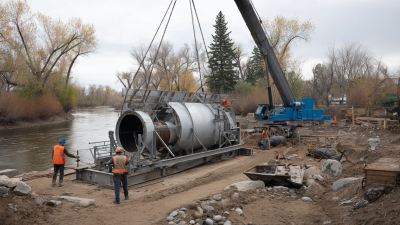
In the world of oil production, sticking to efficiency and reliability isn’t just important — it's everything. Take the desander, for example — it plays a supercritical role in keeping drilling operations running smoothly. Essentially, it removes those pesky solid particles, which means better flow and less wear on the key equipment. But honestly, a lot of companies don’t always pay close attention to the details of how they use it.
Getting the hang of how to properly implement a desander can really make a difference in performance. Like, operators should regularly inspect the screens for any signs of wear and tear — don’t just set it and forget it. Also, keeping an eye on fluid properties can help optimize how well the equipment works. That said, mistakes happen. Skipping maintenance or neglecting proper monitoring can seriously lessen its effectiveness, so staying vigilant is a must.
And let’s be real — following generic guidelines can only get you so far. Every oil field has its own quirks and challenges, so it’s crucial to adapt your approach accordingly. Investing in proper training and expertise really pays off because it ensures you’re getting the most out of your desander. All in all, knowing how to properly deploy this equipment doesn’t just cut costs — it boosts the overall success of your operations.

Understanding the Role of Desanders in Oil Production
Desanders play a crucial role in oil production. They help remove unwanted solids from drilling fluids. This process enhances efficiency and protects equipment. By ensuring cleaner fluids, desanders improve overall production safety.
When using desanders, it’s vital to monitor the inlet pressure. Fluctuations can indicate blockages or inefficiencies. This requires regular checks to maintain optimal operation. Another tip is to select the right size of desander for your specific needs, as an improper fit can lead to reduced performance.
Be aware of the maintenance needs. Regular cleaning and inspection are necessary to ensure longevity. Operators often overlook these tasks, leading to expensive downtimes. Understanding these elements can significantly impact production success. A small oversight can lead to larger issues down the line.
Production Efficiency of Oil Wells with Desanders
This chart represents the daily oil production of five different wells, showing the impact of using desanders. Desanders help in removing solid particles from the produced liquid, resulting in increased efficiency and productivity in oil production.
Types of Desanders Used in Oil Extraction Processes
Desanders play a crucial role in oil extraction processes by removing sand and particulate matter from produced fluids. Different types of desanders are used based on the specific needs of the extraction operation.
Cyclonic desanders utilize centrifugal force to separate solids from liquids. They are efficient and can handle large volumes of fluids.
Another type is the gravity-based desander, which relies on settling. This method is less energy-intensive but may require larger footprint installations.
Statistics show that sand can significantly impact production rates. According to industry reports, sand can reduce well efficiency by up to 30%. Addressing sand production early mitigates corrosion, erosion, and other problems down the line.
Tip: Regularly monitor system performance to detect any changes in efficiency. If there is an unexpected increase in solids, consider adjusting the desanding strategy.
Another type is the hydrocyclone desander, which optimizes water usage during separation. This method is particularly beneficial in water-intensive extraction locations. Data indicates that properly maintained hydrocyclones can increase operational efficiency by 25%.
Tip: Ensure routine maintenance of desanders to maintain optimal performance levels. Neglected equipment can lead to larger operational costs long-term. Investing in quality operational practices has proven beneficial for many production facilities.
Key Operational Principles of Desanders in Oil Fields
Desanders play a crucial role in oil production by removing solids from the fluid flow. Understanding their operational principles is essential for optimizing performance. Desanders typically utilize centrifugal force to separate particulates. This method allows heavier solids to settle while lighter fluids are diverted. The efficiency of this separation can greatly impact overall production rates.
Monitoring fluid characteristics is vital. Variations in viscosity or solids concentration can affect desander efficiency. Regular maintenance of equipment is necessary to prevent clogs and ensure reliable operation. Inadequate maintenance may lead to unexpected downtime, affecting production schedules.
It is important to consider the integration of desanders within the overall processing system. Their placement and design should align with specific operational goals. Operators sometimes overlook the need for a customized approach. Each oil field presents unique challenges. Continuous evaluation will lead to better adjustments and improvements over time, enhancing not only efficiency but also reliability in oil production.
Step-by-Step Installation Guide for Desanders
Installing a desander in oil production is a crucial task. Proper installation enhances efficiency and prolongs equipment life. Start by selecting an appropriate location for the desander. The area should be easily accessible for maintenance and monitoring. Ensure the ground is level to prevent issues over time.
Next, prepare the piping system for installation. Cut and align pipes carefully. Use appropriate tools to avoid damaging the components. Pay attention to the inlet and outlet orientations of the desander. Incorrect placement can lead to operational failures. After fitting the desander, check all connections for leaks.
Testing the system is essential. Run the equipment and observe its performance. Look for irregularities—unexpected noise or fluctuations. These could indicate improper installation. Regularly inspect the desander during its operation.
It’s a learning curve; experience will improve your abilities. Remember, continuous improvement is vital in oil production.
Maintenance Best Practices for Maximizing Desander Efficiency
Proper maintenance of desanders is critical for their efficiency in oil production.
Regular inspections help identify wear and tear. Operators should schedule these checks based on usage and environmental factors.
A thorough inspection includes checking seals, pipes, and connections. Ensure there are no leaks or blockages in the system.
Cleaning is another key aspect. Debris can accumulate over time, affecting performance.
Implement a routine cleaning schedule. Use appropriate tools to remove build-up from internal surfaces.
Sometimes, this process may require disassembly, which can be time-consuming.
Prepare for potential downtime and disruptions in your workflow.
Monitoring system performance is vital.
Keep track of pressure readings and flow rates regularly.
A sudden drop may indicate issues in the system. Analyze any abnormal data closely. Understanding these patterns is crucial for timely intervention.
Reflect on past maintenance efforts to improve future operations. Over time, minor adjustments can lead to significant benefits.
Common Challenges and Solutions in Desander Operations
Desander operations in oil production present unique challenges. One common issue is the accumulation of abrasive particles. These particles can wear down equipment and reduce efficiency. Operators often overlook the importance of regular maintenance. Neglecting this can lead to costly downtime and performance loss.
Another challenge is the variability in flow rates. Changes in production can affect how well a desander performs. If the flow rate is too low, separation becomes ineffective. Conversely, high rates can overload the system. Finding the right balance can be tricky and requires constant monitoring. Understanding your production environment is crucial for optimal operation.
Temperature fluctuations also pose problems in desander use. Extreme heat or cold can affect material properties, impacting effectiveness. Operators must remain vigilant to these changes and adjust processes accordingly. Reflecting on past experiences can lead to valuable insights. Improvements often come from addressing these challenges head-on, fostering a culture of continuous learning.
Monitoring and Assessment Techniques for Desander Performance
Desanders play a crucial role in oil production by removing sand and solids from produced fluids. To ensure optimal performance, continuously monitoring and assessing their effectiveness is essential. A report from the Society of Petroleum Engineers indicates that sand management issues can lead to a 20% decrease in production efficiency. This statistic stresses the importance of effective desander operations.
Effective monitoring techniques include measuring pressure differentials across the desander and analyzing the pressure drop trends. A significant drop in pressure could indicate blockage within the system, while a minimal change may not remove enough solids. Additionally, fluid sampling can reveal the concentration of particulates and sedimentation rates. Regular assessments help predict maintenance needs, which can prevent unexpected downtime.
Despite advancements, challenges remain. Many operators face difficulties in establishing baseline performance metrics. Without these, it can be challenging to determine the desander's effectiveness. Regularly reviewing operational data can mitigate this uncertainty. Conducting periodic equipment inspections allows for early identification of wear or malfunctions, potentially saving costs in the long run. Implementing a routine evaluation strategy is not just advisable; it is a necessity for sustained efficiency.
Essential Tips for Using Desander in Oil Production - Monitoring and Assessment Techniques for Desander Performance
| Parameter |
Description |
Optimal Range |
Monitoring Frequency |
| Inlet Pressure |
Pressure at the inlet of the desander |
30 - 50 psi |
Daily |
| Outlet Pressure |
Pressure at the outlet of the desander |
10 - 20 psi |
Daily |
| Sand Removal Rate |
Amount of sand removed from production fluid |
50 - 200 kg/h |
Weekly |
| Desander Efficiency |
Percentage of sand removed from feed |
90% - 95% |
Monthly |
| Maintenance Checks |
Regular inspections and part replacements |
N/A |
Monthly |
FAQS
: Desanders remove sand and particles from produced fluids, improving the efficiency of oil extraction processes.
Cyclonic, gravity-based, and hydrocyclone desanders are common. Each type serves different operational needs.
Cyclonic desanders use centrifugal force to effectively separate solids from liquids, handling large fluid volumes.
Gravity-based desanders require more space and have lower energy efficiency compared to other types.
Regular monitoring helps detect changes in efficiency and address issues like unexpected increases in solids early.
Neglected desanders can lead to higher operational costs and decreased efficiency over time. Regular maintenance is essential.
Ensure a level ground, correct pipe alignment, and proper orientation of connections to avoid operational failures.
Hydrocyclones optimize water use and can increase operational efficiency significantly when properly maintained.
Run the equipment and observe for any unusual noises or performance fluctuations that may indicate installation issues.
Continuous improvement and experience are vital for mastering desander operation and enhancing overall production efficiency.
Conclusion
Desanders play a crucial role in oil production by efficiently removing solid particles from the production stream, thereby protecting downstream equipment and enhancing overall operational efficiency. This article outlines various types of desanders utilized in oil extraction processes, highlighting their key operational principles and the importance of proper installation. A step-by-step installation guide ensures that operators can set up desanders effectively, while maintenance best practices are discussed to maximize their efficiency and longevity.
Additionally, the article addresses common challenges encountered during desander operations, providing practical solutions to mitigate these issues. Finally, monitoring and assessment techniques are presented to evaluate desander performance continuously. Understanding these essential tips for using desanders in oil production can significantly improve the reliability and output of oil extraction systems.